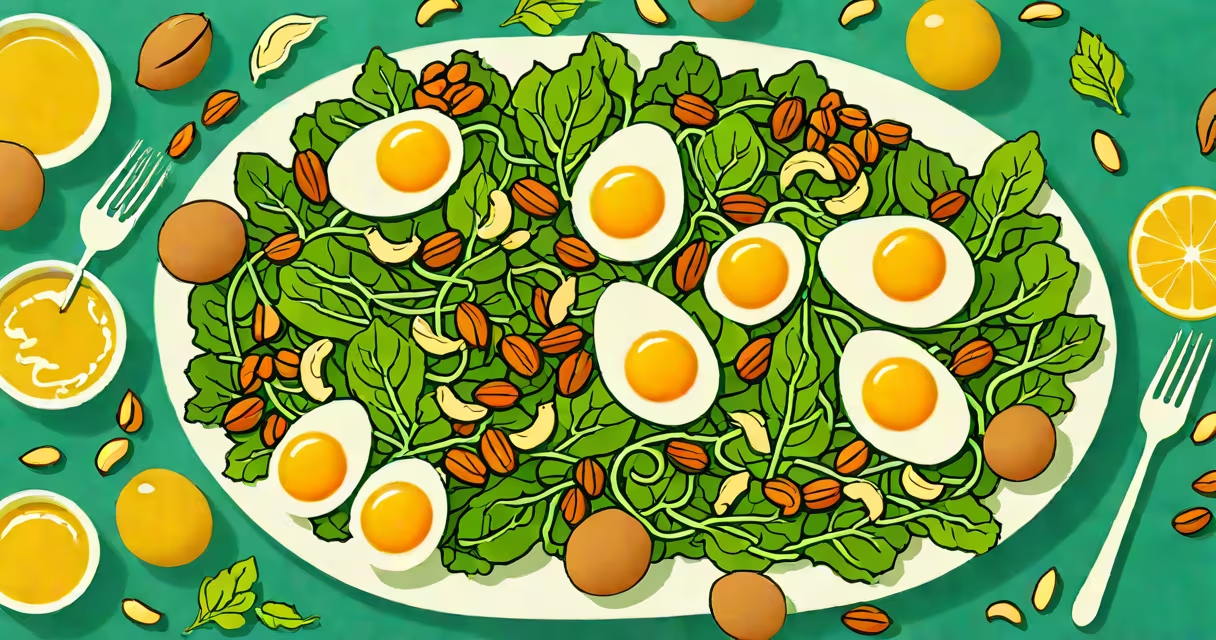
To stop hair fall, eat foods rich in protein, iron, zinc, vitamin D, and biotin. These nutrients strengthen hair follicles and promote growth.
Hair loss often stems from deficiencies in key nutrients. A balanced diet supports the hair growth cycle by providing essential building blocks for keratin production and follicle function.
The most critical nutrients for preventing hair loss include:
Incorporate these foods into your diet to combat hair loss:
| Food | Key Nutrient | Serving Size |
|---|---|---|
| Eggs | Protein, biotin | 2 large eggs |
| Spinach | Iron, vitamin A | 1 cup cooked |
| Fatty fish (salmon) | Vitamin D, omega-3s | 3 oz cooked |
| Nuts (almonds, walnuts) | Zinc, biotin | 1 oz (about 23 almonds) |
| Lean meats (chicken, turkey) | Protein, iron | 3 oz cooked |
Many people believe that hair loss is solely genetic or stress-related. While genetics and stress do play roles, nutritional deficiencies are often overlooked. For example, low iron levels are a leading cause of hair loss in women.
Another myth is that more vitamins mean better hair health. Excessive vitamin A intake can actually worsen hair loss. Balance is key.
I noticed increased hair shedding after a period of stress. After consulting a nutritionist, I added more iron-rich foods like spinach and lean meats to my diet. Within three months, my hair fall reduced, and new growth became visible.
If dietary changes don't improve hair loss, consider consulting a healthcare provider. Conditions like thyroid disorders or scalp infections may require medical treatment. Pairing a nutrient-rich diet with professional advice ensures the best results.
For more details on specific vitamins that help stop hair fall, read our guide on vitamins for hair loss prevention.