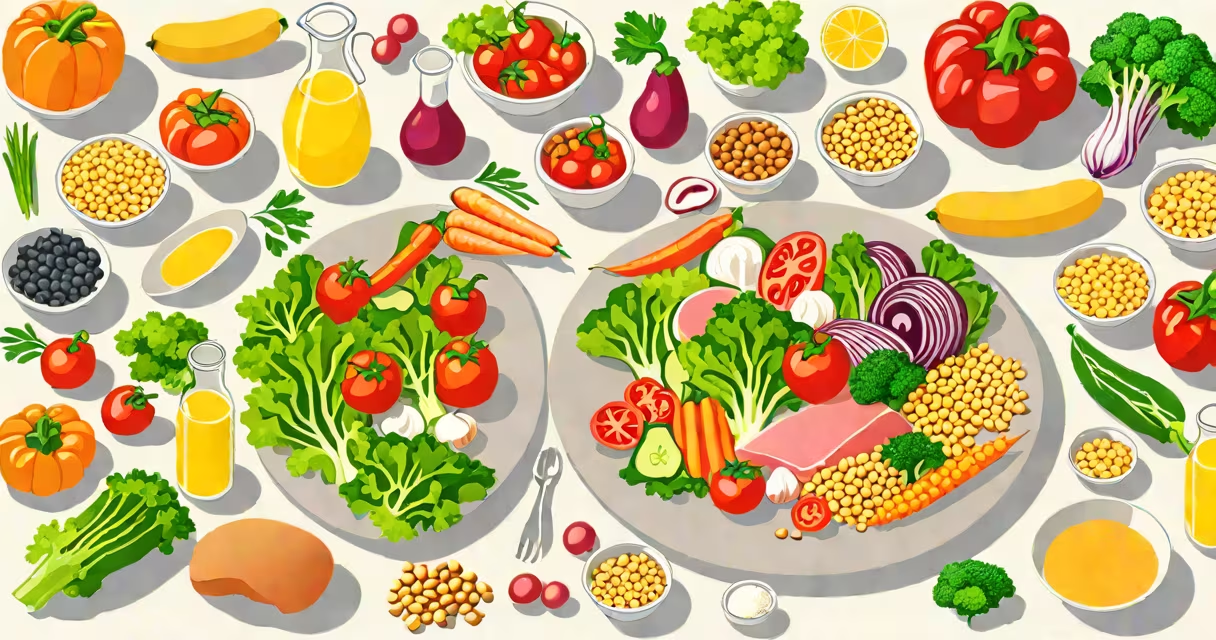
If you have gout, focus on a diet rich in low-purine foods like vegetables, whole grains, and lean proteins while avoiding high-purine foods such as red meat, organ meats, and shellfish. This approach helps manage uric acid levels, reducing gout flare-ups.
Gout occurs when uric acid crystals build up in joints, causing inflammation and pain. Diet is important for managing uric acid levels. Foods high in purines-a compound found in certain proteins-can increase uric acid production. Conversely, foods low in purines help maintain healthy uric acid levels.
Gout-friendly foods are typically low in purines and rich in antioxidants, fiber, and healthy fats. Here are the main categories:
High-purine foods can trigger gout attacks. The main culprits include:
Many people believe that all proteins are bad for gout. However, plant-based proteins and low-fat dairy are safe and beneficial. Another myth is that coffee is harmful, but moderate coffee consumption may actually lower uric acid levels. Always consult a healthcare provider for personalized advice.
For example, a typical gout-friendly meal could include grilled chicken breast, steamed broccoli, and a side of quinoa. This meal provides balanced nutrition without triggering gout symptoms.
When I first learned about gout-friendly foods, I was skeptical about giving up my favorite steak. However, after switching to lean proteins and plenty of vegetables, I noticed fewer flare-ups. It's amazing how much diet can impact gout management.