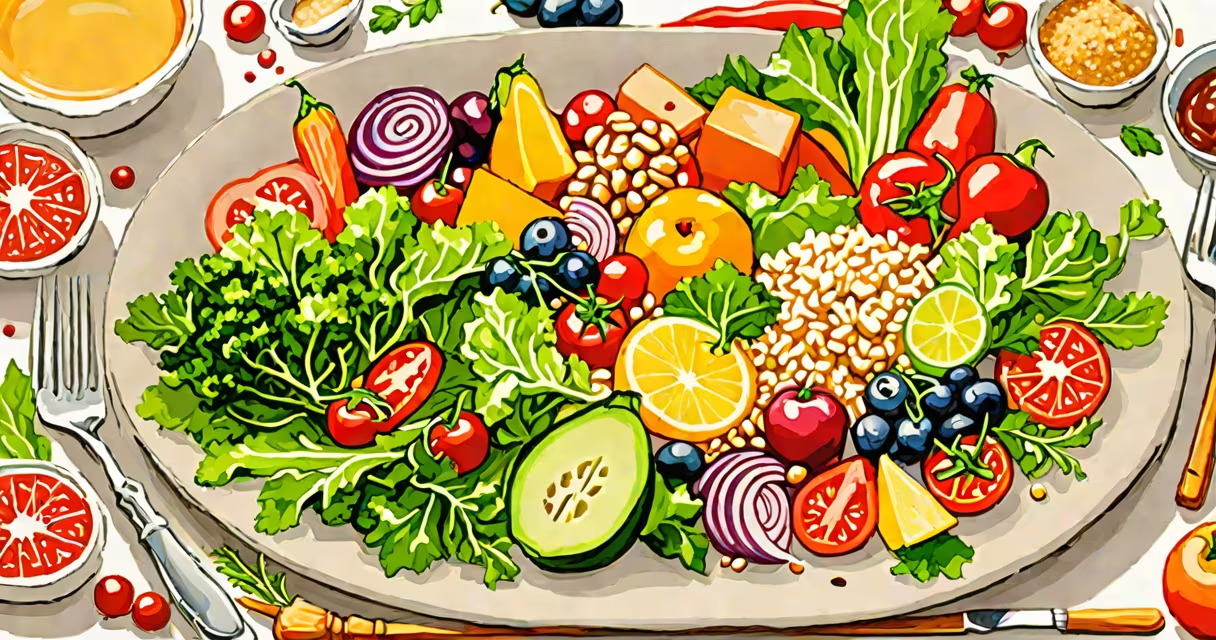
To lose weight sustainably, eat nutrient-dense foods daily: lean proteins, vegetables, fruits, whole grains, and healthy fats. Portion control matters more than extreme restriction.
Weight loss happens when you consume fewer calories than your body burns. But focusing solely on calories often leads to nutrient deficiencies and rebound weight gain. Prioritizing high-quality foods ensures steady energy, satiety, and long-term success.
These foods provide essential nutrients while supporting calorie deficits:
These foods appear in balanced meal plans worldwide. The Harvard School of Public Health emphasizes their role in preventing chronic diseases beyond weight loss. For example, a 2018 study in Circulation linked plant-based diets to lower obesity rates.
Many people confuse weight-loss eating with extreme diets. A common mistake is eliminating entire food groups, which can lead to deficiencies. Instead, focus on adding nutrient-rich foods while reducing processed items.
| Meal | Food Choices | Calories |
|---|---|---|
| Breakfast | Greek yogurt with berries and chia seeds | 250 |
| Lunch | Grilled chicken salad with spinach, avocado, and vinaigrette | 350 |
| Dinner | Baked salmon with quinoa and steamed broccoli | 400 |
| Snacks | Apple slices with almond butter | 150 |
Many believe skipping meals or extreme calorie cuts work long-term. Research shows these approaches often backfire, leading to overeating later. Sustainable weight loss requires consistent, mindful eating.
Another myth is that all fats are bad. Healthy fats from sources like avocados and nuts support metabolism and keep you full longer.
I once tried a fad diet that cut out carbs entirely. After two weeks, I felt exhausted and gained back the weight quickly. Switching to balanced meals helped me lose weight steadily and maintain it.