Normal oxygen levels in your blood should range between 95% and 100%. Levels below 90% may indicate a problem requiring medical attention.
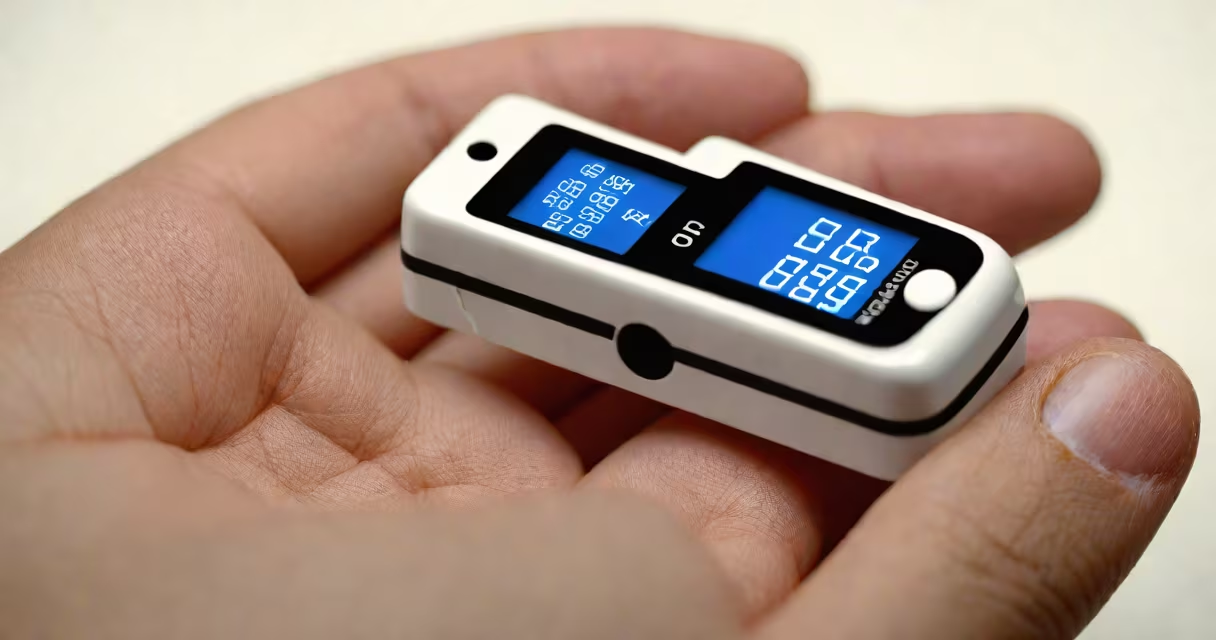
Oxygen levels are typically measured using a pulse oximeter, a small device that clips onto your finger. It sends beams of light through your finger to measure the percentage of hemoglobin carrying oxygen (SpO2). This is different from the partial pressure of oxygen in arterial blood (PaO2), which requires a blood test.
There are two main ways to measure oxygen levels:
| Type | Measurement Method | Normal Range |
|---|---|---|
| Blood Oxygen Saturation (SpO2) | Pulse oximeter | 95%-100% |
| Arterial Blood Gas (PaO2) | Blood test | 75-100 mmHg |
If your SpO2 levels fall below 90%, seek medical advice. Levels consistently below 88% are dangerous and require immediate attention. Symptoms such as shortness of breath, dizziness, or confusion may accompany low oxygen levels.
Many people confuse SpO2 with PaO2. While both measure oxygen, they do so differently. SpO2 is a percentage of hemoglobin carrying oxygen, whereas PaO2 measures the pressure of oxygen dissolved in the blood. A pulse oximeter cannot diagnose conditions like COVID-19 or other illnesses, but it can indicate if oxygen levels are low, which may be a symptom of underlying issues.
I once used a pulse oximeter during a high-altitude hike. Even though I felt fine, my SpO2 dropped to 89%. This was a wake-up call to descend and rest, highlighting how important it is to monitor oxygen levels in low-oxygen environments.
Maintaining healthy oxygen levels is important for well-being. Regular monitoring with a pulse oximeter can help detect potential issues early. If your oxygen level is consistently below 90%, consult a healthcare professional immediately.