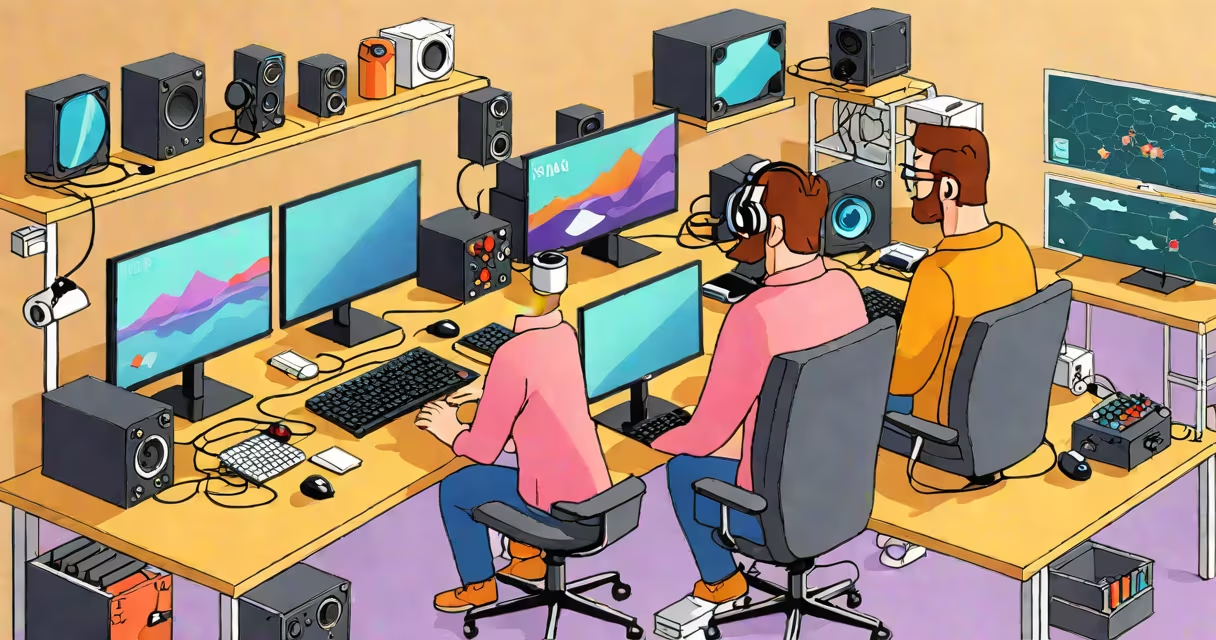
Video game designers need a mix of technical, creative, and interpersonal skills to develop engaging games. These professionals combine programming, art, and storytelling to create immersive experiences.
Proficiency in game engines like Unity or Unreal Engine is essential. Designers also need to understand programming languages such as C++ or C#. These tools form the foundation of game development.
According to the International Game Developers Association, 60% of game developers use these engines daily., familiarity with version control systems like Git ensures smooth collaboration among teams.
Game design requires three primary skill sets: technical, artistic, and analytical. Each plays a distinct role in the development process.
| Skill Type | Key Components | Example Tools |
|---|---|---|
| Technical | Programming, debugging, optimization | C++, C#, Python |
| Artistic | Concept art, 3D modeling, animation | Blender, Photoshop, Maya |
| Analytical | Game mechanics, balancing, player feedback | Spreadsheets, analytics tools |
Designers often face unexpected challenges during development. For example, a character might move unnaturally due to physics engine limitations. The solution requires both technical fixes and creative adjustments to maintain gameplay flow.
I once worked on a project where the protagonist's jump felt awkward. We adjusted the physics parameters and redesigned the jump animation, resulting in smoother movement. This blend of creativity and technical skill is important.
Game design is rarely a solo effort. Designers collaborate with programmers, artists, and writers to bring a vision to life. Effective communication ensures everyone understands the project's goals and their roles within it.
The Entertainment Software Association reports that 88% of game development studios employ interdisciplinary teams. Regular meetings and clear documentation help maintain alignment throughout the project.
Many people assume game design is purely about coding or art. However, it also involves storytelling, psychology, and even marketing. Understanding player motivations is as important as technical execution.
For instance, the success of Barbie as a video game hero relied on appealing to a broad audience through relatable characters and engaging narratives. This requires research and empathy, not just technical skills.
The gaming industry evolves rapidly. New technologies like virtual reality and artificial intelligence create fresh opportunities and challenges. Designers must stay updated through courses, workshops, and industry conferences.
Platforms like Coursera and Udemy offer specialized courses in game design., attending events like the Game Developers Conference provides networking and learning opportunities.