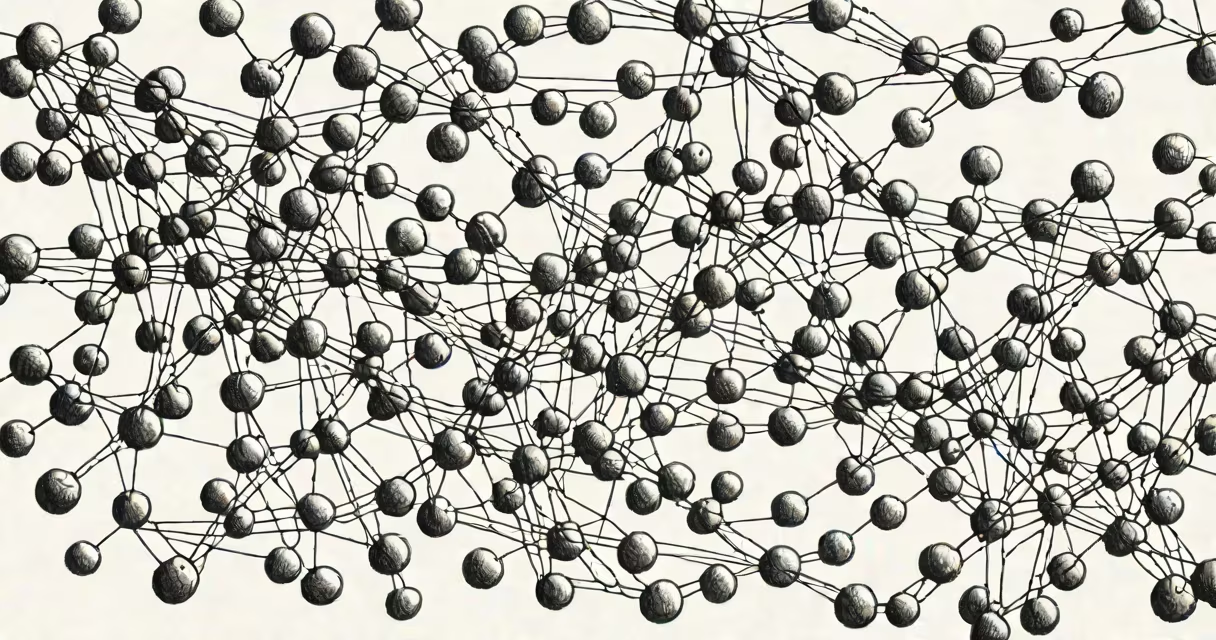
Amylase is an enzyme that catalyzes the breakdown of starch into simpler sugars like maltose and glucose. It plays important roles in digestion and various industrial applications.
Amylase functions by hydrolyzing the alpha-links between glucose molecules in starch chains. This process converts complex carbohydrates into simpler, more digestible sugars. The human body produces two main types of amylase: salivary and pancreatic.
| Type | Source | Function |
|---|---|---|
| Salivary Amylase | Saliva | Begins starch digestion in the mouth |
| Pancreatic Amylase | Pancreas | Continues starch digestion in the small intestine |
Amylase is primarily used in digestion, where it breaks down dietary starch into maltose, which is further broken down into glucose. Beyond digestion, amylase is used in various industries, including food processing, brewing, and textile manufacturing. For instance, in the brewing industry, amylase helps convert starch in grains into fermentable sugars.
Many people confuse amylase with other digestive enzymes like lipase or protease. Unlike lipase, which breaks down fats, or protease, which digests proteins, amylase specifically targets carbohydrates. Another misconception is that amylase only exists in humans. In reality, it is found in many organisms, including plants, bacteria, and fungi.
For example, the amylase produced by the fungus Aspergillus oryzae is used in the production of sake and soy sauce. This highlights the enzyme's versatility and widespread occurrence in nature.
One lesser-known fact about amylase is its role in determining blood type. The presence of amylase inhibitors in certain blood types can affect the enzyme's activity, which is why some individuals may have different digestive efficiencies based on their blood type.
In my experience working with digestive enzymes, I've observed that individuals with higher levels of salivary amylase tend to digest starchy foods more efficiently. This can be particularly beneficial for athletes who rely on carbohydrate-rich diets to fuel their activities.