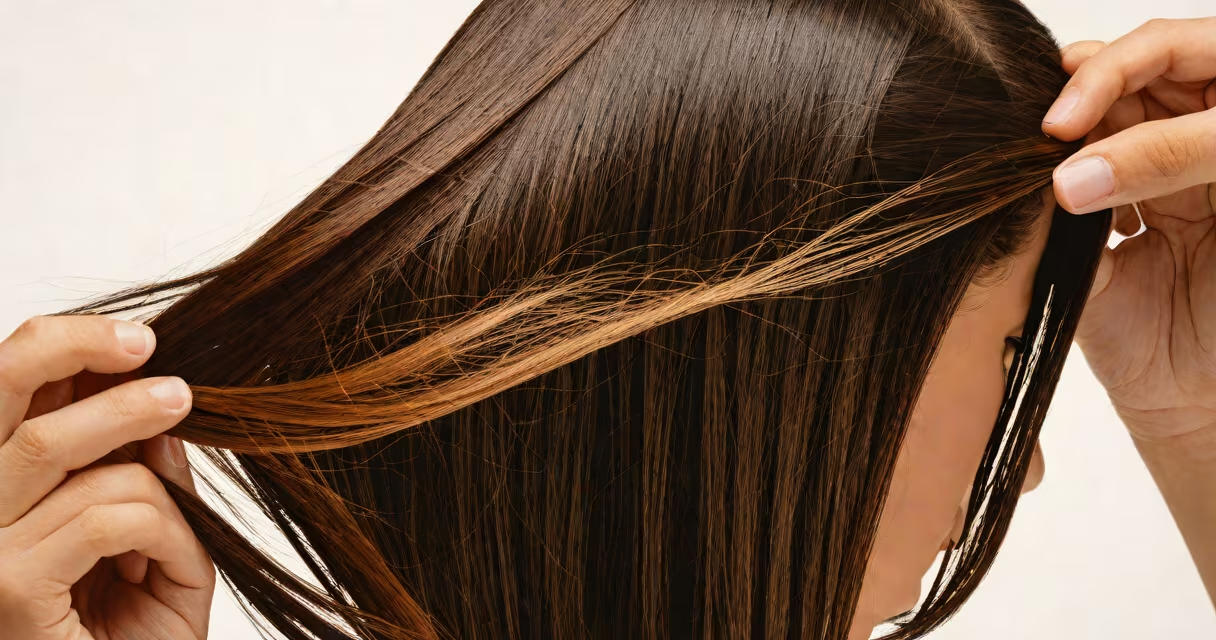
Hair loss prevention involves medical treatments, lifestyle changes, and proper scalp care to maintain healthy hair growth. The key lies in addressing underlying causes, supporting the hair growth cycle, and promoting scalp health.
The hair growth cycle consists of three phases: anagen (growth), catagen (transition), and telogen (resting). Each hair follicle cycles independently, and disruptions in this cycle can lead to hair shedding. On average, people lose 50 to 100 hairs daily as part of this natural cycle.
Hair loss can result from genetic factors, hormonal changes, medical conditions, stress, poor nutrition, or harsh hair treatments. For instance, androgenetic alopecia, a common form of hair loss, is inherited and linked to hormone levels. Other causes include thyroid disorders, anemia, and autoimmune diseases like alopecia areata.
To stop hair from falling out, consider these science-backed strategies:
Many people believe that frequent haircuts prevent hair loss, but this is a myth. Haircuts do not affect the hair growth cycle., wearing hats does not cause hair loss, despite popular belief. However, excessive tension from tight hats or hairstyles can lead to traction alopecia.
Understanding what stops hair from falling out involves a combination of medical knowledge, lifestyle adjustments, and proper hair care. By adopting these strategies, individuals can maintain healthy hair and reduce the risk of hair loss.