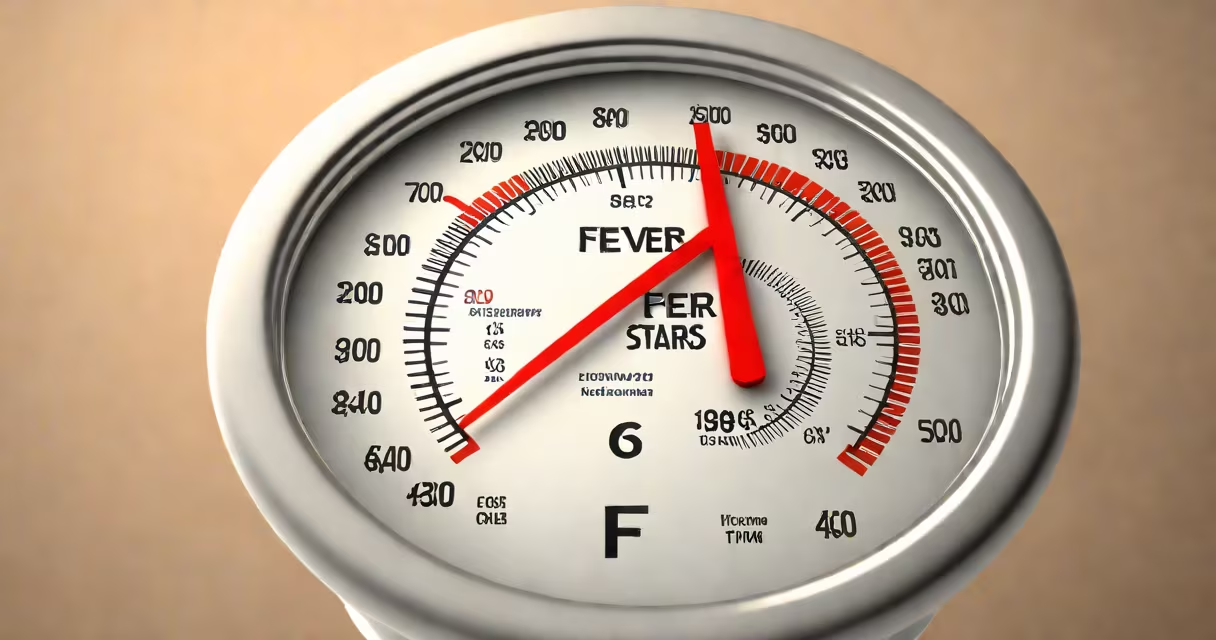
A fever begins at a body temperature above 100.4°F (38°C) when measured orally. This threshold marks the point where the body's temperature regulation system has been activated in response to illness or infection.
Fevers occur when the hypothalamus, the brain's temperature regulator, resets the body's thermostat in response to pyrogens-substances released by immune cells during infection. The elevated temperature helps the body fight off pathogens by making the environment less hospitable for bacteria and viruses while boosting the immune response.
Fevers can be classified based on their severity and duration:
| Type | Temperature Range | Duration |
|---|---|---|
| Low-grade fever | 100.4°F to 102.2°F (38°C to 39°C) | Short-term |
| Moderate fever | 102.2°F to 104°F (39°C to 40°C) | Variable |
| High fever | Above 104°F (40°C) | Variable |
| Hyperpyrexia | Above 106°F (41.1°C) | Medical emergency |
Fevers are a common symptom of infections, such as colds, flu, and bacterial infections. They can also result from non-infectious causes like heat exhaustion, certain medications, or inflammatory conditions. The body's response to raise its temperature is a defense mechanism aimed at creating an inhospitable environment for pathogens.
Many people believe that fevers themselves are harmful, but mild to moderate fevers are generally beneficial and not dangerous. However, very high fevers (above 104°F or 40°C) can lead to complications such as seizures, dehydration, and confusion, particularly in young children and the elderly.
Another misconception is that fevers always require immediate treatment. In most cases, fevers below 102.2°F (39°C) do not need treatment unless the person is uncomfortable. Over-the-counter medications like acetaminophen or ibuprofen can be used to reduce fever and relieve discomfort, but they are not always necessary.
Consider a scenario where an adult develops a fever of 101.5°F (38.6°C) due to a viral infection. This temperature is above the threshold for a fever but is considered low-grade. The person might experience mild symptoms such as headache, fatigue, and muscle aches. In this case, rest and hydration are usually sufficient to manage the fever, and it will likely resolve on its own within a few days.
However, if the fever rises to 103°F (39.4°C) and the person experiences severe symptoms such as difficulty breathing or confusion, medical attention should be sought immediately. This higher temperature indicates a more serious infection or condition that may require medical intervention.
While most fevers are not cause for concern, certain situations warrant medical attention. Seek immediate medical care if:
Understanding what temperature starts a fever and recognizing the different types and severities can help you respond appropriately to this common symptom. Always consult a healthcare professional if you have concerns about a fever, especially if it is high or accompanied by severe symptoms.