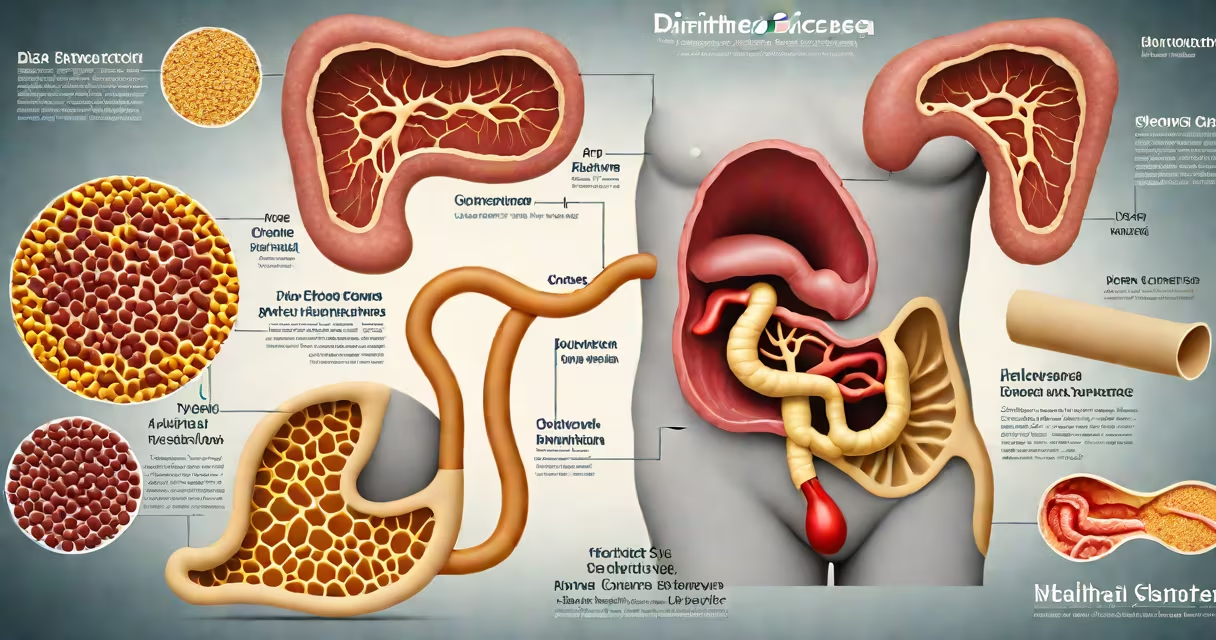
Diarrhea is most often caused by gastrointestinal infections, food intolerances, or digestive disorders. These illnesses irritate or inflame the intestines, triggering frequent, watery bowel movements.
When harmful bacteria, viruses, or parasites enter your digestive tract, they disrupt normal digestion. Your intestines respond by speeding up food movement and secreting excess water, leading to diarrhea. This protective mechanism helps flush out pathogens but can cause dehydration if untreated.
| Type | Common Pathogens | Duration |
|---|---|---|
| Viral | Norovirus, rotavirus | 1-3 days |
| Bacterial | Salmonella, E. coli | 3-7 days |
| Parasitic | Giardia, Cryptosporidium | Weeks to months |
Most people with diarrhea also experience cramping, bloating, nausea, or fever. Severe cases may include blood in stool or signs of dehydration, such as dry mouth or dizziness. These symptoms typically appear within hours or days of infection.
Your intestines normally absorb water and nutrients from food. When pathogens invade, they damage the intestinal lining, reducing absorption and increasing fluid secretion. This imbalance results in loose, watery stools. The body prioritizes removing harmful substances over nutrient absorption during illness.
One non-obvious fact: Some medications, like antibiotics or chemotherapy drugs, can also cause diarrhea by altering gut bacteria balance. This is called drug-induced diarrhea and accounts for about 7% of cases.
Many people assume diarrhea is always caused by food poisoning. While contaminated food is a common source, viruses spread through person-to-person contact cause about 70% of cases. Norovirus alone causes 19-21 million illnesses annually in the U.S., according to the CDC.
Most diarrhea resolves within a few days. However, seek medical attention if symptoms last longer than 48 hours, if you notice blood in stool, or if you show signs of severe dehydration. Persistent diarrhea may indicate a more serious underlying condition requiring treatment.
For those experiencing chronic diarrhea without obvious illness, explore potential food intolerances or digestive disorders. A healthcare provider can help identify triggers and recommend appropriate dietary changes or medications.
I once treated persistent diarrhea by eliminating dairy products, which resolved the issue within 48 hours. This experience highlighted how important it is to consider all potential causes, not just infectious ones.