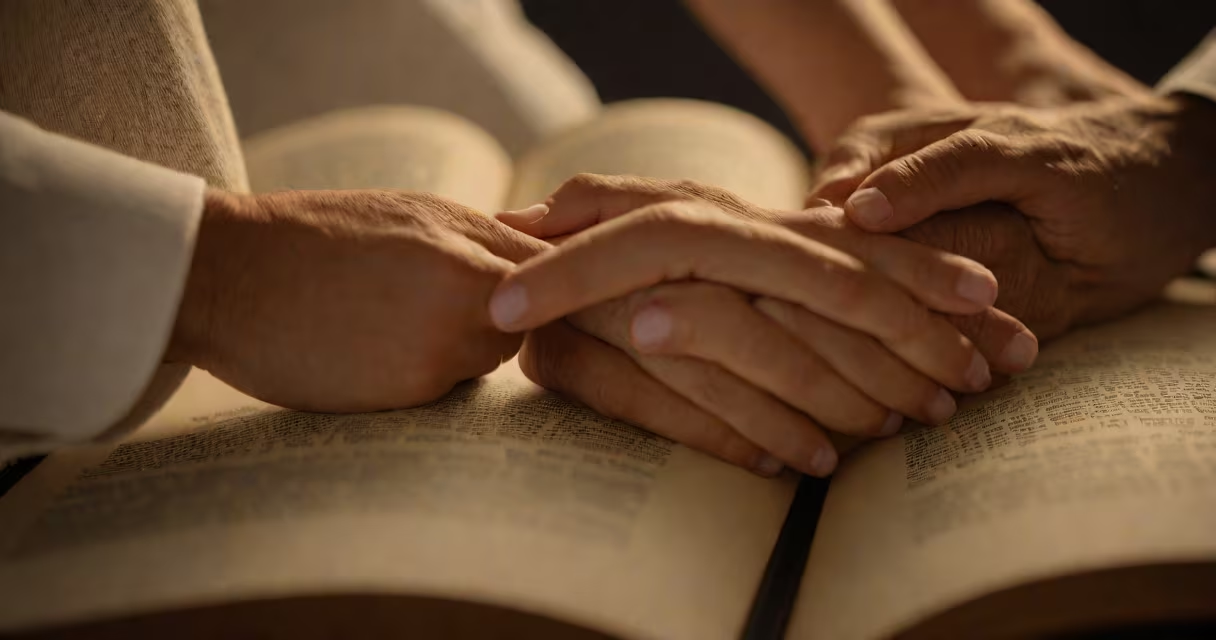
The Bible teaches that forgiveness in marriage is essential for healing and maintaining a strong relationship. It emphasizes love, patience, and letting go of resentment.
Forgiveness in marriage involves releasing feelings of anger or resentment toward your spouse. The Bible encourages couples to forgive as God forgives, which means completely and without conditions. This process requires humility, honesty, and a willingness to work through conflicts together.
There are several types of forgiveness mentioned in the Bible:
The Bible frequently discusses forgiveness in relationships, including marriage. For example, Ephesians 4:32 states, "Be kind to one another, tenderhearted, forgiving one another, as God in Christ forgave you." This verse highlights the importance of forgiveness in maintaining a loving and harmonious marriage.
Forgiveness is important in marriage because it prevents bitterness from taking root. Unresolved conflicts can lead to deeper emotional wounds, but forgiveness helps couples move past these issues and strengthen their bond.
Many people believe that forgiveness means forgetting the offense or pretending it never happened. However, the Bible does not teach this. Instead, it encourages acknowledging the hurt while choosing to release the resentment. Forgiveness does not mean tolerating ongoing harm; it means letting go of the desire for revenge and seeking reconciliation.
Another misconception is that forgiveness is a one-time event. In reality, it is often a process that requires ongoing effort and communication. Couples may need to revisit the issue multiple times to fully heal and restore trust.
Consider a couple who has experienced infidelity. The offended spouse may struggle with feelings of betrayal and anger. According to the Bible, forgiveness in this situation involves the offended spouse releasing their resentment and the offending spouse demonstrating genuine repentance and a commitment to change. This process can be difficult and may require professional counseling or support from a faith community.
For example, the offended spouse might say, "I choose to forgive you because I understand that God has forgiven me. I will work with you to rebuild our trust and strengthen our marriage." This approach aligns with biblical teachings and provides a path toward healing and reconciliation.