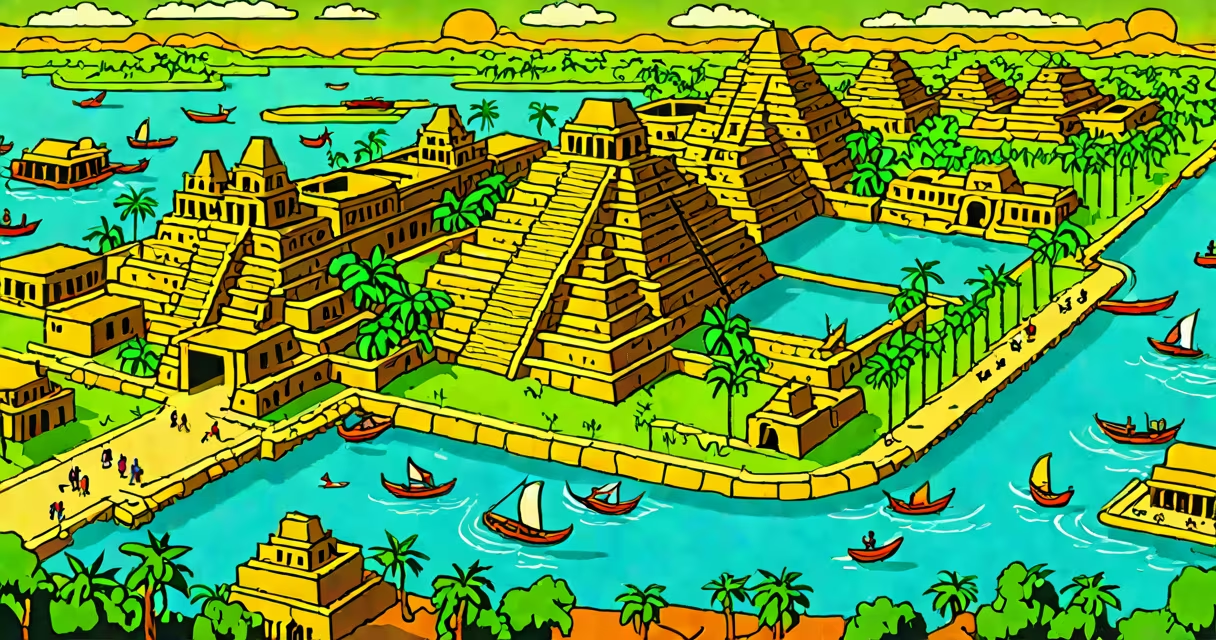
The Aztecs dominated central Mexico CE, building an empire through military conquest and political alliances. Their story begins with the founding of Tenochtitlan in 1325, a city that became the heart of their civilization.
The Aztecs, originally a nomadic tribe, settled in the Valley of Mexico around 1200 CE. They established Tenochtitlan on an island in Lake Texcoco in 1325, which grew into a useful city-state. By the early 15th century, they formed the Triple Alliance with Texcoco and Tlacopan, laying the foundation for their empire.
At its peak, the Aztec Empire controlled much of central Mexico through a system of tribute and alliances. Their military campaigns expanded their influence, but their rule ended abruptly with the Spanish conquest in 1521.
| Phase | Time Period | Key Events |
|---|---|---|
| Early Period | 1200-1325 CE | Migration and settlement in the Valley of Mexico |
| Founding of Tenochtitlan | 1325 CE | Establishment of the capital city |
| Triple Alliance | 1428-1519 CE | Formation of the alliance with Texcoco and Tlacopan |
| Empire Expansion | 1428-1519 CE | Military conquests and expansion of the empire |
| Spanish Conquest | 1519-1521 CE | Fall of the Aztec Empire to Spanish forces |
The Aztecs left a lasting legacy in Mesoamerican culture, particularly in religion, architecture, and political organization. Their capital, Tenochtitlan, was one of the largest cities in the world at the time, with an estimated population of 200,000 people.
A common misconception is that the Aztecs were a unified empire from the start. In reality, their power grew gradually through strategic alliances and military victories. The Triple Alliance was important in consolidating their control over the region.
The Aztecs used a complex calendar system that combined a 365-day solar calendar with a 260-day ritual calendar. This system helped them track agricultural cycles and religious ceremonies. For example, the Aztec New Fire Ceremony, held every 52 years, marked the completion of a full calendar cycle.
While the Aztecs are often associated with human sacrifice, this practice was part of their religious beliefs and was not as pervasive as popularly believed. Archaeological evidence suggests that sacrifices were more common during certain rituals and wars.
The Aztec Empire's influence extends beyond its historical period. Many modern Mexican traditions, including festivals and culinary practices, have roots in Aztec culture. For instance, the celebration of Día de los Muertos (Day of the Dead) incorporates elements from Aztec rituals honoring the dead.
Understanding the Aztec Empire provides insight into the complexities of pre-Columbian civilizations. Their achievements in urban planning, agriculture, and governance show their advanced society. The Spanish conquest marked the end of their empire, but their cultural impact continues to resonate today.