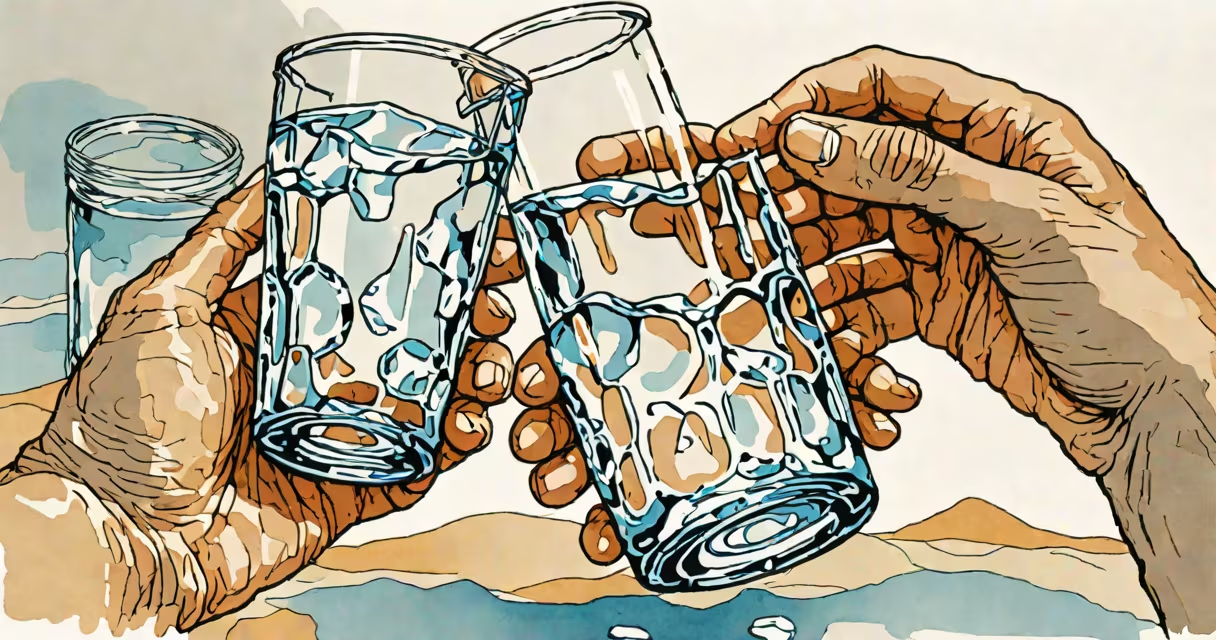
When dehydrated and vomiting, replace lost fluids gradually with small sips of water or oral rehydration solutions. Avoid solid foods until vomiting stops.
Vomiting removes fluids and electrolytes from your body, leading to dehydration. This creates a vicious cycle: dehydration worsens nausea, which triggers more vomiting. Breaking this cycle requires careful fluid replacement.
Not all fluids help equally. The best options are:
Sports drinks may seem helpful, but their high sugar content can worsen diarrhea, a common side effect of dehydration.
Most cases resolve within 24 hours, but seek medical attention if:
Severe dehydration may require intravenous (IV) fluids, especially for children, elderly individuals, or those with chronic illnesses.
Many people make these errors when treating dehydration and vomiting:
I once helped a friend recover from dehydration and vomiting by giving them small sips of an oral rehydration solution every 10 minutes. Within a few hours, their symptoms improved. The key was patience and consistency.
Once rehydrated, gradually reintroduce normal foods. Monitor for signs of recurring dehydration, such as headaches or dark urine. If symptoms persist, consult a healthcare provider to rule out underlying conditions like gastroenteritis or food poisoning.