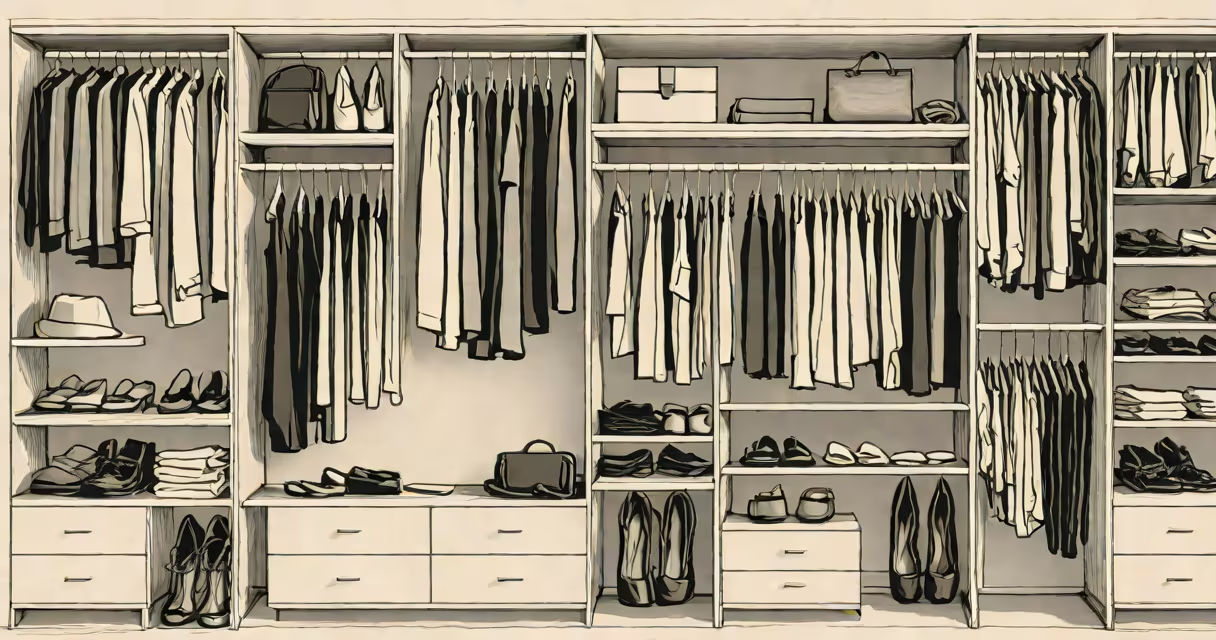
Poshmark is a popular platform for buying and selling new or used clothing, shoes, and accessories. To maximize your success, focus on high-demand categories like women's apparel, designer handbags, and trendy accessories. Poshmark's user base skews toward budget-conscious shoppers looking for brand-name items at lower prices.
The most profitable items on Poshmark tend to be women's fashion, particularly dresses, jeans, and activewear. Designer handbags, shoes, and accessories also perform well. According to Poshmark's internal data, women's apparel accounts for over 60% of sales, making it the dominant category.
| Category | Popular Items | Average Selling Price |
|---|---|---|
| Women's Apparel | Dresses, jeans, activewear, blouses | $25-$60 |
| Accessories | Handbags, sunglasses, scarves | $30-$150 |
| Shoes | Boots, sneakers, sandals | $40-$120 |
| Kids' Clothing | Dresses, onesies, outfits | $10-$30 |
| Home Goods | Throw pillows, decor, linens | $15-$50 |
Trendy, affordable fashion dominates Poshmark because buyers seek stylish pieces at lower prices than retail. Designer items, even used, hold their value due to brand loyalty. For example, a gently used Kate Spade handbag can sell for 60% of its original retail price. Seasonal items, like swimwear in spring or coats in fall, also see spikes in demand.
High-quality photos, detailed descriptions, and competitive pricing are key. Use natural lighting and show multiple angles. Include measurements, fabric details, and any flaws. Pricing should reflect condition and brand popularity-research similar listings to set yours competitively. Bundling related items, like a set of three tops, can increase sales volume.
I once listed a lightly worn Zara dress that sold within hours after adjusting the price to match recent sold listings. The dress had been sitting unsold for weeks at a higher price, proving that pricing strategy matters more than luck.
Many sellers overprice items or fail to update listings regularly. Stale listings lose visibility, so refresh them weekly. Avoid vague descriptions like "cute top"-instead, specify the style, color, and size. Poor-quality photos can deter buyers, so always use clear, well-lit images.
Another mistake is neglecting Poshmark's sharing feature. Active sharing increases visibility, so share listings daily during peak hours (evenings and weekends). Engaging with other sellers' listings can also boost your own visibility through reciprocity.
Avoid oversaturated categories like basic T-shirts or overly worn items. Poshmark's algorithm favors active listings, so selling slow-moving inventory can hurt your account's performance. Stick to in-demand, high-quality items to maintain a strong seller reputation.
For non-fashion items, check Poshmark's guidelines-some categories, like electronics, have restrictions. If you're unsure about what to sell, start with women's apparel, as it has the broadest audience.