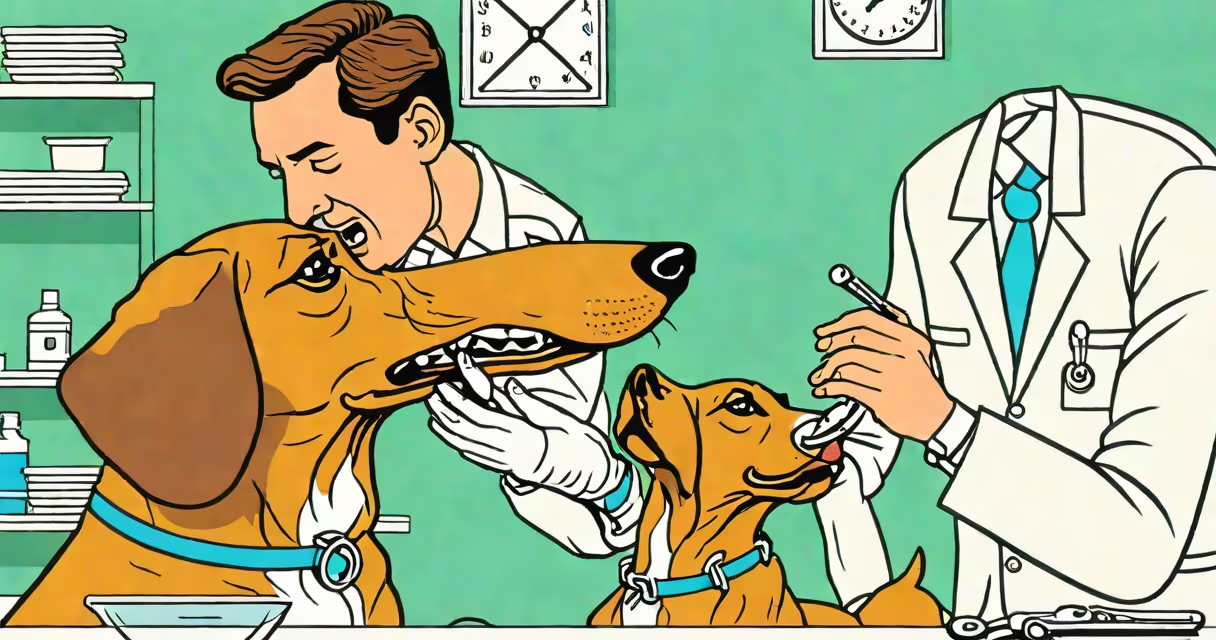
Dog bad breath often signals dental disease or systemic health problems. Effective solutions include professional cleanings, dental chews, and addressing underlying conditions.
Bad breath in dogs typically stems from poor oral hygiene, periodontal disease, or internal health issues. Plaque buildup leads to gum inflammation, while kidney disease or diabetes can cause a distinct ammonia-like odor.
Schedule a vet visit if bad breath persists despite home care, accompanied by drooling, pawing at the mouth, or appetite loss. Chronic bad breath may indicate metabolic disorders or oral infections requiring professional treatment.
Annual veterinary dental cleanings prevent periodontal disease progression. Under anesthesia, vets scale and polish teeth, extract damaged ones, and treat infections. Post-cleaning, prescription diets like Hill's t/d support enamel protection.
Many assume bad breath is normal in older dogs. However, persistent halitosis always warrants investigation. Another myth suggests raw diets eliminate bad breath, but unbalanced raw food can worsen dental health.
I've seen firsthand how proper dental care transforms a dog's quality of life. A client's senior Beagle regained energy and appetite after treating periodontal disease and kidney-related bad breath.