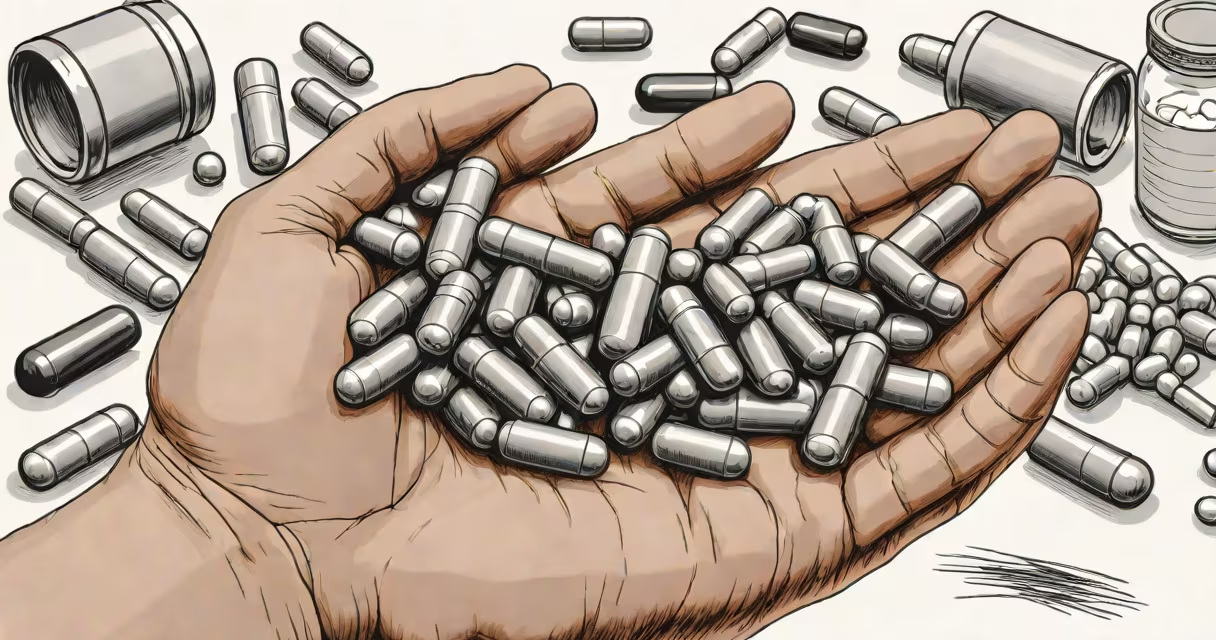
To prevent hair loss, take vitamins like biotin, iron, and vitamin D, along with FDA-approved medications such as minoxidil and finasteride. Support these with protein-rich foods, stress management, and gentle hair care.
Hair loss occurs when follicles shrink, reducing growth cycles. Prevention targets this shrinkage through nutrients, hormones, and scalp health. For example, biotin strengthens keratin, while minoxidil increases blood flow to follicles.
Prevention methods fall into four categories:
Many believe hair loss is inevitable or solely genetic. While genetics play a role, factors like poor nutrition and stress contribute. For instance, iron deficiency-common in women-can cause reversible shedding.
Another myth is that frequent washing causes loss. Washing doesn't affect follicles; excessive brushing or heat styling does. The American Academy of Dermatology recommends gentle care, not fewer washes.
Consider Sarah, a 35-year-old with noticeable thinning. Her doctor identified low iron and vitamin D levels. After adding supplements, she saw reduced shedding within three months. She also switched to a silk pillowcase and avoided tight ponytails, further slowing loss.
For men like James experiencing male pattern baldness, finasteride (1mg daily) halted progression, while minoxidil foam (5%) stimulated regrowth at the temples. He combined this with scalp massages to boost circulation.
Persistent shedding despite dietary changes may indicate an underlying condition. The Mayo Clinic advises seeing a doctor if loss is sudden, patchy, or accompanied by itching/scalp pain. Conditions like alopecia areata require medical treatment.
For those on testosterone therapy, preventing hair loss involves minoxidil or finasteride to counteract hormone-related shedding.
Scalp massages, essential oils (rosemary), and laser therapy show promise. A 2015 study in Skin Therapy Letter found rosemary oil as effective as minoxidil for regrowth. However, results vary, and these methods often complement-not replace-medical treatments.
| Type | Examples | Effectiveness |
|---|---|---|
| Supplements | Biotin, iron, vitamin D | Moderate (addresses deficiencies) |
| Medications | Minoxidil, finasteride | High (FDA-approved for regrowth) |
Preventing hair loss requires a combination of targeted supplements, medications, and lifestyle changes. Start with a doctor's evaluation to rule out deficiencies or conditions. Pair treatments with gentle hair care and a balanced diet for the best results.