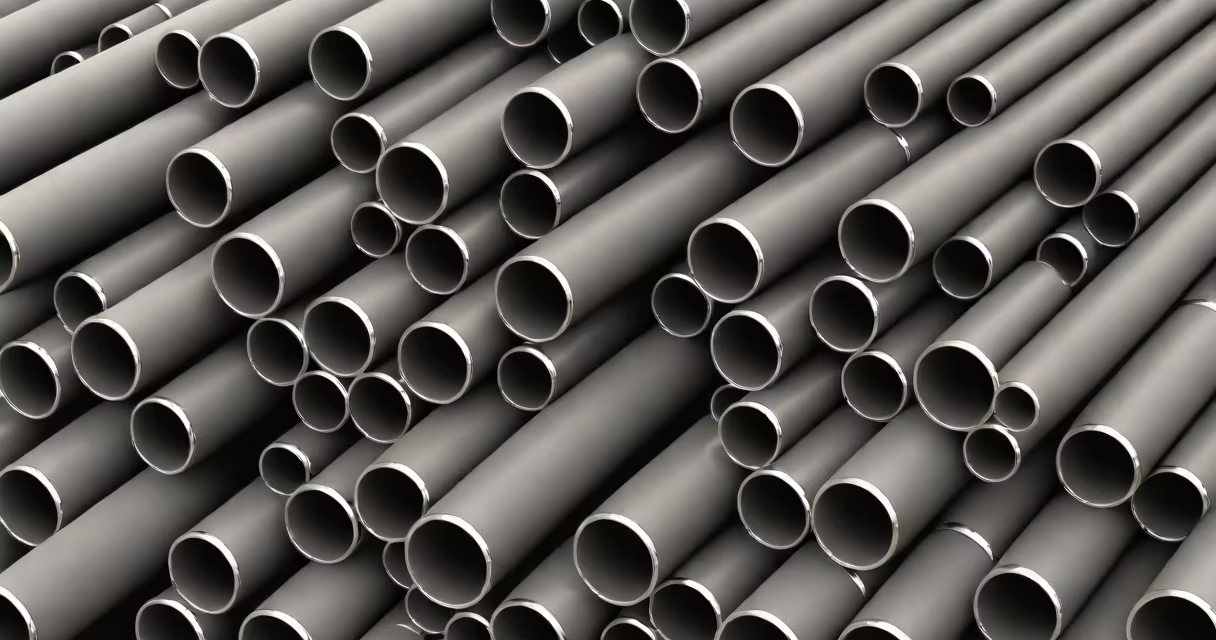
Natural gas piping systems require specific materials approved for safety and performance. The most common types are black iron pipe, stainless steel, and polyethylene (PE) or flexible corrugated stainless steel tubing (CSST). Local codes determine exact requirements.
Several pipe materials meet safety standards for natural gas distribution:
Natural gas piping materials must withstand high pressures, temperature fluctuations, and potential corrosion. Black iron pipe, for example, develops a protective layer of magnetite when exposed to air or water, preventing further rust. This makes it ideal for interior gas lines where it won't be exposed to harsh outdoor elements.
For underground use, polyethylene (PE) pipe is often preferred because it resists corrosion and can flex slightly to accommodate ground movement. Stainless steel offers similar benefits for above-ground applications where visibility and durability are priorities.
Many people assume that any metal pipe can be used for natural gas lines. However, materials like galvanized steel or copper are prohibited in most jurisdictions because they can degrade over time when exposed to sulfur compounds in natural gas. Always check local building codes to confirm approved materials.
Proper installation is critical for safety. Gas lines must be properly supported, sealed, and protected from physical damage. Regular inspections should check for leaks, corrosion, or other signs of wear. For example, black iron pipes should be threaded and sealed with approved tape or compound to prevent gas leaks.
When I worked on a home renovation project, the contractor used black iron pipe for the indoor gas line to the stove. He ensured all connections were properly sealed and supported to prevent any movement that could loosen fittings over time.
Choosing the right type of pipe for natural gas is essential for safety and longevity. Black iron, stainless steel, and polyethylene are the most common materials, each suited for different applications. Always follow local codes and consult professionals to ensure proper installation and maintenance.