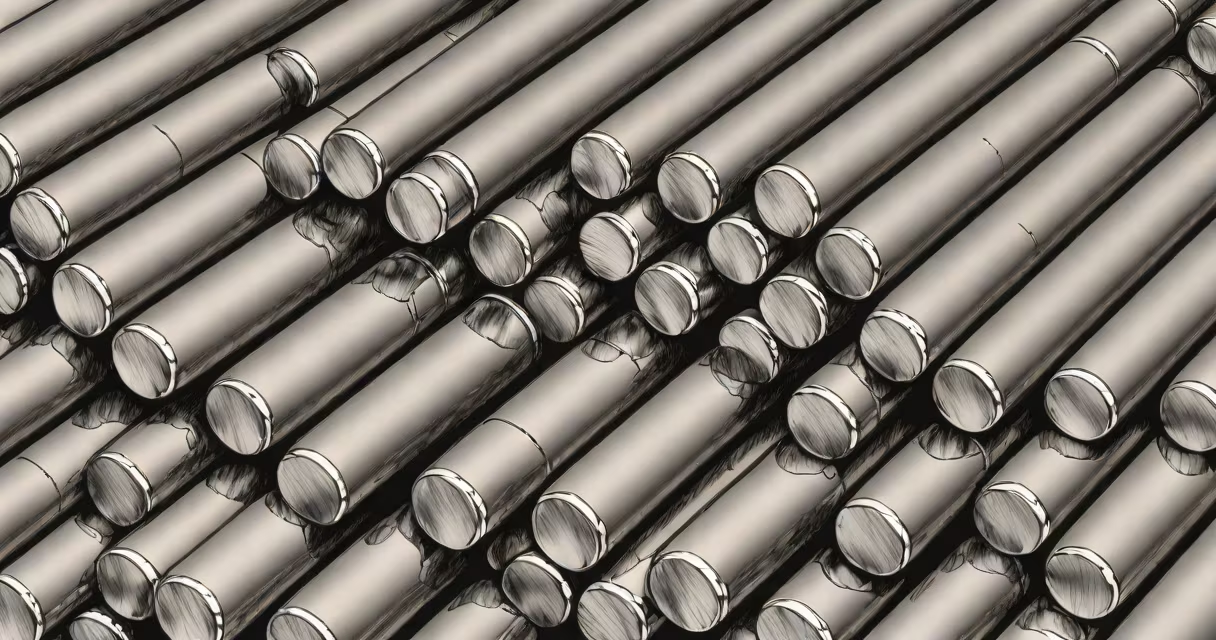
Metals that resist corrosion, such as stainless steel, aluminum, and copper, do not rust because they form protective oxide layers or lack the necessary conditions for rust formation.
Rust forms when iron reacts with oxygen and water, creating iron oxide. However, some metals naturally form protective layers that prevent this reaction. For example, aluminum develops a thin layer of aluminum oxide when exposed to air, which seals the surface and prevents further oxidation.
| Metal | Why It Doesn't Rust | Common Uses |
|---|---|---|
| Stainless Steel | Contains chromium, which forms a passive oxide layer | Kitchen appliances, surgical tools, construction materials |
| Aluminum | Forms a protective aluminum oxide layer | Airplane parts, beverage cans, window frames |
| Copper | Develops a patina that protects against further corrosion | Electrical wiring, plumbing pipes, roofing |
| Galvanized Steel | Coated with zinc, which corrodes first and protects the underlying steel | Outdoor structures, automotive parts, hardware |
These metals are often used in environments where exposure to moisture and oxygen is high, such as marine applications, construction, and automotive manufacturing. For instance, stainless steel is widely used in kitchen sinks and medical instruments because it resists both corrosion and bacteria.
Many people assume that all metals rust over time. However, metals like aluminum and copper develop protective layers that improve their durability., while stainless steel contains iron, the presence of chromium makes it highly resistant to rust.
Another misconception is that galvanized steel is rust-proof. While the zinc coating delays rust formation, it can eventually corrode if the coating is damaged. Unlike stainless steel, aluminum, and copper, galvanized steel relies on a sacrificial layer rather than a passive oxide layer.
Consider a scenario where you need to choose between regular steel and stainless steel for an outdoor structure. Regular steel will rust quickly when exposed to rain and humidity. However, stainless steel, particularly grades like 304 or 316, will maintain its integrity for decades due to its chromium content, which forms a protective layer.
When building a patio cover, I initially considered using regular steel for the frame. However, after researching, I opted for galvanized steel to ensure longevity. The zinc coating provided a significant barrier against rust, extending the life of the structure without needing frequent maintenance.
Some metals, like titanium and nickel alloys, also resist corrosion but are less commonly used due to their higher cost. These metals are typically reserved for specialized applications, such as aerospace engineering and chemical processing equipment.
Understanding the properties of these metals helps in selecting the right material for specific applications, ensuring durability and performance.