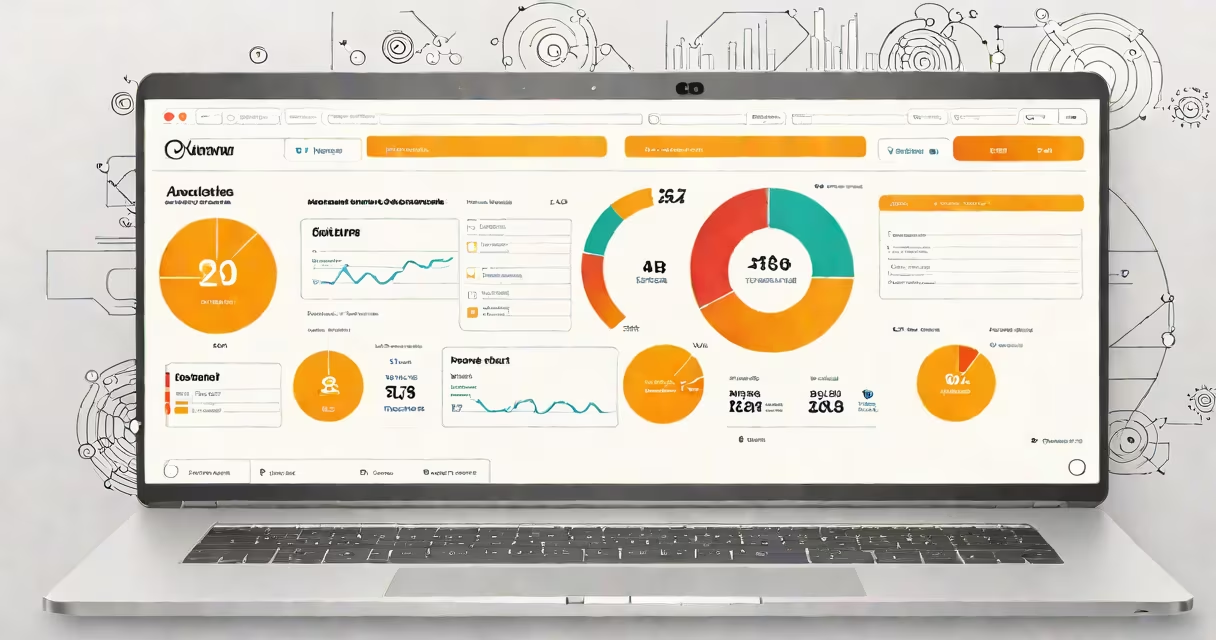
White label AI software is pre-built artificial intelligence platforms that companies rebrand as their own, selling them under their name without developing the underlying technology. These solutions let businesses offer AI-powered services quickly and cost-effectively.
Providers develop the core AI functionality, then license it to other businesses. The purchasing company adds its branding, adjusts features, and markets the product as its own. For example, a marketing agency might white-label an AI content generator to offer it as a proprietary tool to clients.
White label AI software covers diverse applications:
| Type | Examples | Common Users |
|---|---|---|
| AI Marketing Tools | Chatbots, ad optimizers, content generators | Marketing agencies |
| AI Customer Support | Virtual assistants, ticketing systems | Call centers, e-commerce sites |
| AI Analytics Platforms | Data visualization, predictive modeling | Consulting firms |
Many providers offer modular solutions, letting users mix and match features. According to Gartner, 67% of businesses using AI solutions rely on third-party platforms rather than in-house development.
Companies adopt white label AI to enter the AI market rapidly without investing years in research and development. A digital marketing firm I consulted for added $2 million in revenue annually by white-labeling an AI-driven analytics dashboard and reselling it to small businesses.
Key benefits include:
Many confuse white label AI with custom development. While both provide AI capabilities, they differ:
| Factor | White Label AI | Custom Development |
|---|---|---|
| Development Time | Weeks to months | Months to years |
| Cost | Lower initial investment | High upfront costs |
| Control | Limited customization | Full control over features |
For most small to mid-sized businesses, white label solutions offer the best balance between cost and capability. However, enterprises with unique needs may require custom-developed AI modeling software.
Some believe white label AI lacks quality or innovation. In reality, many leading AI providers offer white label versions of their enterprise solutions. For instance, IBM Watson offers white label options for businesses wanting to integrate its natural language processing capabilities under their brand.
Another myth is that white label AI can't be customized. Most providers allow significant configuration, including:
While not as flexible as building from scratch, these options provide substantial adaptability.
Businesses interested in white label AI should:
Many providers offer free trials or demos, allowing businesses to test solutions before committing. Companies like Salesforce and HubSpot have successfully incorporated white label AI into their offerings, demonstrating the model's viability at scale.
For businesses looking to improve their service offerings with AI capabilities, white label solutions provide a practical pathway to enter the market quickly and affordably. By partnering with established AI providers, companies can focus on their core competencies while delivering new AI-powered services to their clients.