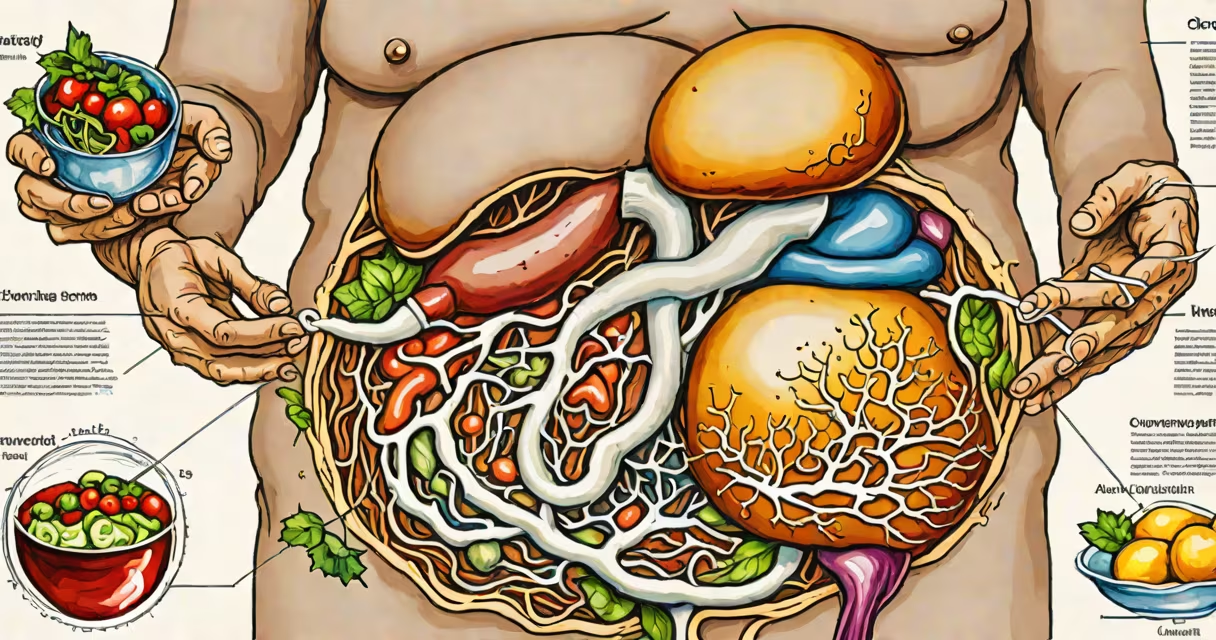
Bloating and constipation occur when your digestive system struggles to process food efficiently, often due to slow digestion, gas buildup, or muscle tension. These conditions frequently appear together because they share common triggers like diet, hydration, and stress.
How Digestion Works Normally
Your digestive system moves food through your gut using muscle contractions called peristalsis. When working properly, this process takes 24-72 hours. Food breaks down in the stomach and small intestine, then water gets absorbed in the large intestine, leaving solid waste behind. Gas forms when bacteria ferment undigested food.
Main Causes of Bloating and Constipation
The most common causes are:
Low fiber intake: Fiber adds bulk to stool and helps it move through your intestines. Without enough fiber, waste stays in your colon longer, causing constipation and bloating.
Dehydration: Water softens stool, making it easier to pass. Not drinking enough water hardens stool, leading to constipation and trapped gas.
Processed foods: Foods high in salt, sugar, and fat slow digestion and cause water retention.
Swallowed air: Chewing gum, drinking through straws, or eating too quickly introduces extra air into your digestive system, leading to bloating.
Stress and anxiety: These can disrupt digestion by affecting gut-brain communication and slowing muscle contractions.
When to See a Doctor
Bloating and constipation usually resolve with dietary changes and lifestyle adjustments. However, see a doctor if you experience:
Blood in your stool
Severe abdominal pain
Unexplained weight loss
Constipation lasting more than three weeks
These symptoms may indicate conditions like irritable bowel syndrome (IBS), gastroesophageal reflux disease (GERD), or food intolerances.
Effective Remedies
To relieve bloating and constipation, try these evidence-based solutions:
Increase fiber intake: Eat more fruits, vegetables, whole grains, and legumes. Gradually increase fiber to avoid gas.
Drink more water: Aim for 8-10 glasses daily. Herbal teas like peppermint or ginger can also help.
Exercise regularly: Physical activity stimulates digestion. Even a 10-minute walk can make a difference.
Manage stress: Techniques like deep breathing, meditation, or yoga can improve digestion.
Avoid trigger foods: Common culprits include dairy, beans, carbonated drinks, and artificial sweeteners.
If you're still struggling with bloating and constipation, consider keeping a food diary to identify specific triggers. For persistent issues, consult a healthcare provider for personalized advice.