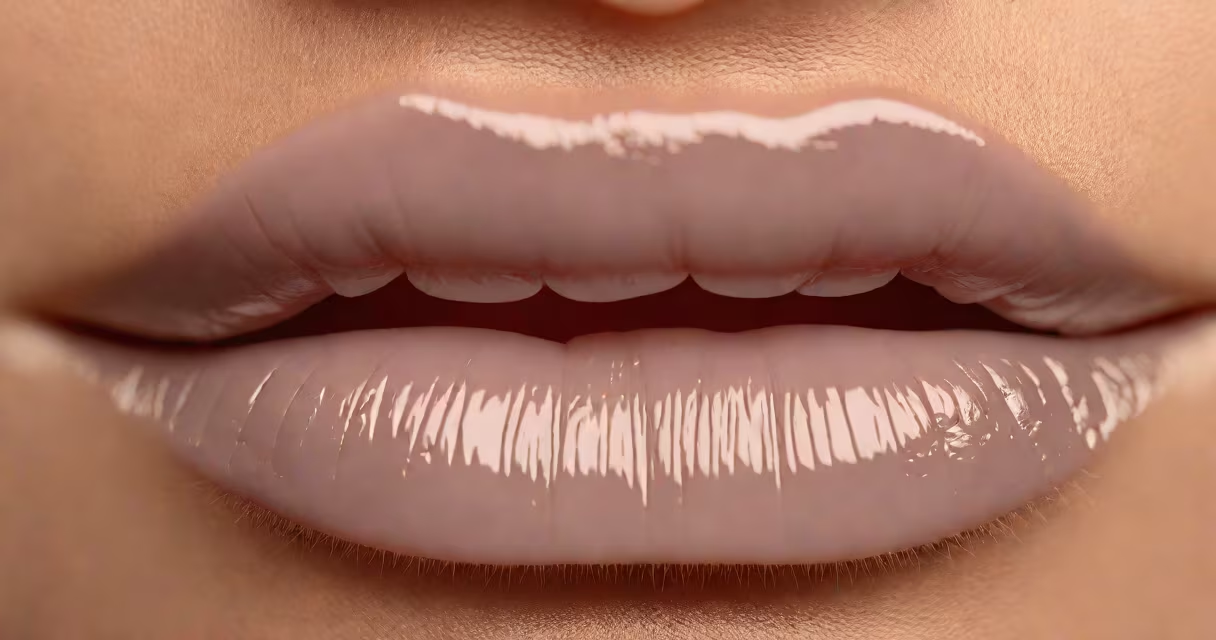
Chapped and peeling lips result from dehydration, environmental factors, or underlying conditions. While occasional dryness is normal, persistent issues may require targeted treatments.
Lips lack oil glands, making them more prone to dryness than other skin. When moisture evaporates, the thin outer layer cracks, leading to peeling. Common triggers include cold weather, frequent licking, and harsh lip products.
| Type | Causes | Solutions |
|---|---|---|
| Environmental | Cold, wind, sun exposure | Use SPF lip balm, wear scarves |
| Habitual | Licking lips, biting | Apply balm frequently, avoid habits |
| Medical | Allergies, eczema, nutritional deficiencies | See a doctor, adjust diet |
Many believe chapped lips result solely from cold weather. However, internal factors like dehydration and nutritional imbalances play significant roles. For instance, iron deficiency anemia can lead to dry lips, unrelated to external conditions.
Another myth is that flavored lip balms hydrate better. These often contain irritants like menthol or fragrances, worsening dryness. Opt for fragrance-free, hydrating formulas with ingredients like shea butter or beeswax.
Sarah noticed her lips peeling year-round despite using multiple balms. After consulting a doctor, she learned she had an allergy to a common ingredient in her favorite lip products. Switching to hypoallergenic options resolved the issue within weeks.
Persistent chapped lips often stem from a combination of environmental, habitual, and medical factors. Identifying the root cause and adjusting habits or treatments can restore lip health effectively.