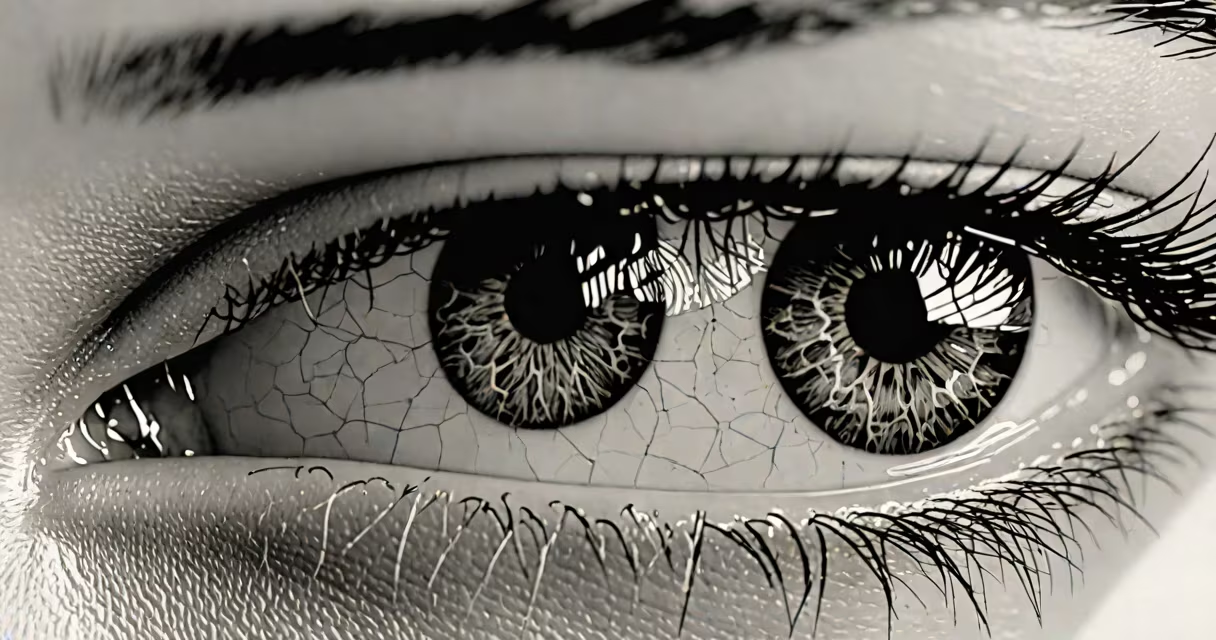
Sticky eyes occur when mucus, oil, or debris builds up in the corners or along the edges of your eyelids, often causing discomfort or crusting, especially upon waking. This happens because your eyes produce tears to lubricate, protect, and clean the surface, but sometimes these tears don't drain properly or become thickened due to infection, allergies, or other conditions.
Your eyes produce three layers of tears: an oily outer layer, a watery middle layer, and a mucous inner layer. These layers work together to keep your eyes moist and clean. The oily layer, produced by meibomian glands along the eyelids, prevents tears from evaporating too quickly. The watery layer washes away debris, while the mucous layer helps tears spread evenly across the eye's surface.
If any of these layers is out of balance, your eyes may not drain properly, leading to stickiness. For example, if the oily layer is insufficient, tears evaporate faster, causing dryness and irritation. Similarly, excess mucus production can make your eyes feel sticky, especially in the mornings.
Several factors can contribute to sticky eyes:
Most cases of sticky eyes are harmless and resolve on their own. However, see a doctor if:
These could indicate an infection or underlying condition requiring treatment.
For mild cases, try these remedies:
If you frequently wake up with sticky eyes, consider checking your pillowcases for allergens or irritants. Washing them regularly in hot water can help reduce buildup.
To minimize the risk of sticky eyes:
While occasional stickiness is normal, persistent or severe symptoms may indicate a more serious issue. Chronic dry eye syndrome, for example, can lead to complications like corneal damage if left untreated. Similarly, recurring infections may require antibiotics or other medical interventions.
If home remedies don't help, or if symptoms worsen, schedule an appointment with an optometrist or ophthalmologist. They can diagnose the underlying cause and recommend appropriate treatment.