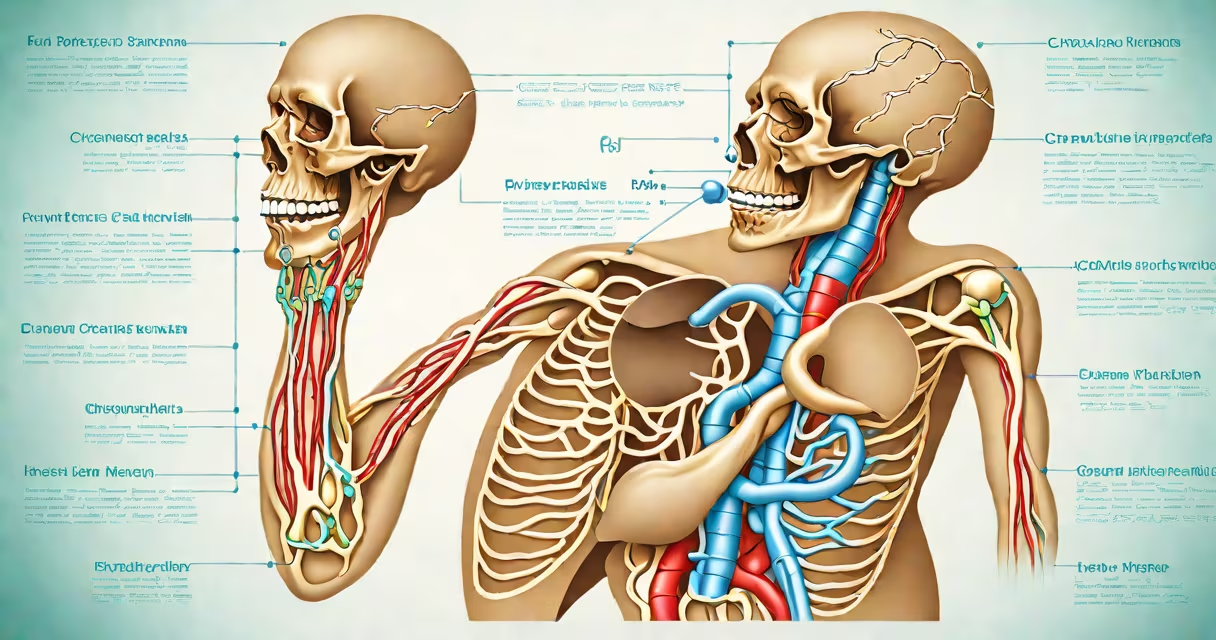
Hiccups occur when your diaphragm-the muscle between your lungs and abdomen-contracts involuntarily, causing the vocal cords to snap shut. This creates the characteristic "hic" sound. While occasional hiccups are normal, frequent hiccups may indicate underlying triggers.
The diaphragm is controlled by the phrenic nerve, which runs from the neck to the chest. When this nerve is irritated, it causes the diaphragm to spasm. The sudden closure of the vocal cords produces the hiccup sound. Most hiccups last only a few minutes, but persistent hiccups (lasting more than 48 hours) may require medical attention.
Several factors can trigger hiccups, including:
Many people believe that hiccups are caused by eating too much or laughing hard. While these can contribute, the primary cause is irritation of the phrenic nerve. Another myth is that holding your breath can stop hiccups, but this only works temporarily by increasing carbon dioxide levels, which may distract from the hiccups.
Frequent hiccups that last more than 48 hours or occur regularly may indicate an underlying issue, such as gastroesophageal reflux disease (GERD) or a nervous system disorder. If hiccups interfere with eating, sleeping, or breathing, consult a healthcare provider. Persistent hiccups can lead to fatigue, dehydration, and even weight loss if left untreated.