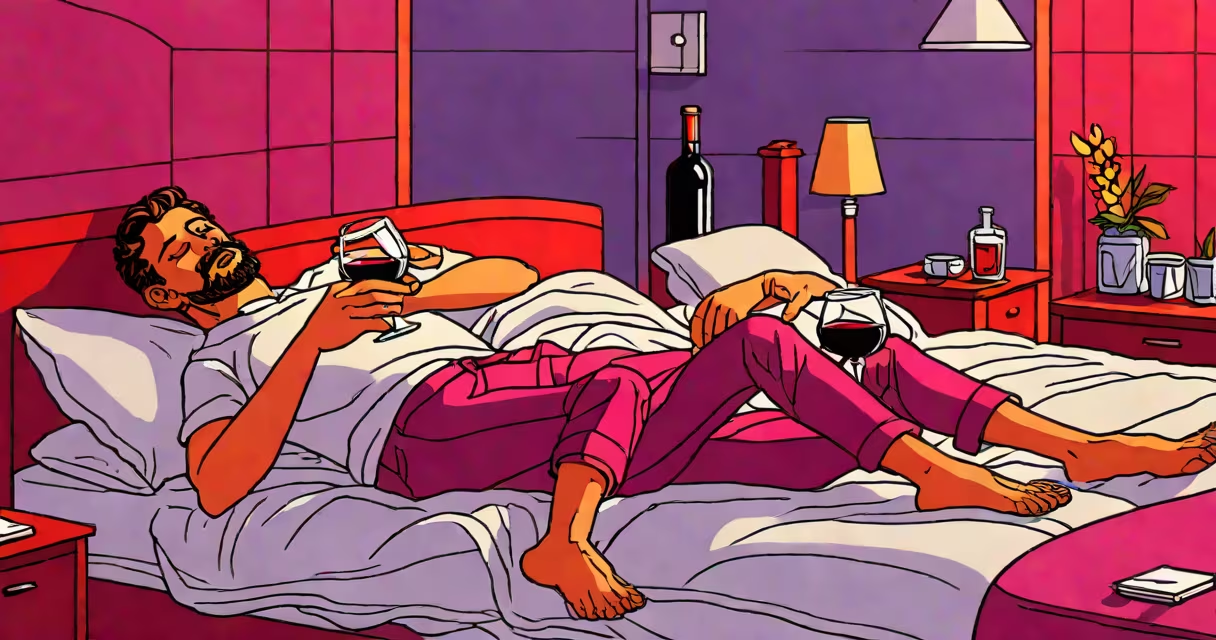
Alcohol makes you tired by disrupting your sleep cycle, dehydrating you, and lowering blood sugar. These effects combine to create post-drinking fatigue even if you slept through the night.
While alcohol might help you fall asleep faster, it severely reduces sleep quality. A study in the journal Alcoholism: Clinical & Experimental Research found that alcohol consumption reduces rapid eye movement (REM) sleep-the restorative phase linked to cognitive function and emotional health. Even moderate drinkers experience this disruption.
Alcohol is a diuretic, meaning it increases urine production. This dehydrates you, contributing to fatigue. The liver metabolizes alcohol at about one standard drink per hour, but the resulting dehydration lingers. Ever woken up with a dry mouth after drinking? That's a clear sign of dehydration-induced tiredness.
Alcohol consumption causes blood sugar levels to fluctuate. Initially, alcohol is metabolized into acetate, which the body prioritizes over glucose. Later, as acetate levels drop, blood sugar may plummet, leaving you feeling sluggish. This is especially noticeable after heavy drinking sessions.
Many people assume alcohol helps them sleep better. While it might induce drowsiness, the sleep it provides is fragmented and less restorative. Others think fatigue is solely due to hangovers, but tiredness can occur even without severe hangover symptoms.
I once attended a dinner party where I drank three glasses of wine. Despite going to bed at my usual time, I woke up feeling exhausted the next morning. My sleep tracker showed poor sleep quality, confirming that alcohol had disrupted my REM sleep. The dehydration and blood sugar fluctuations didn't help either.