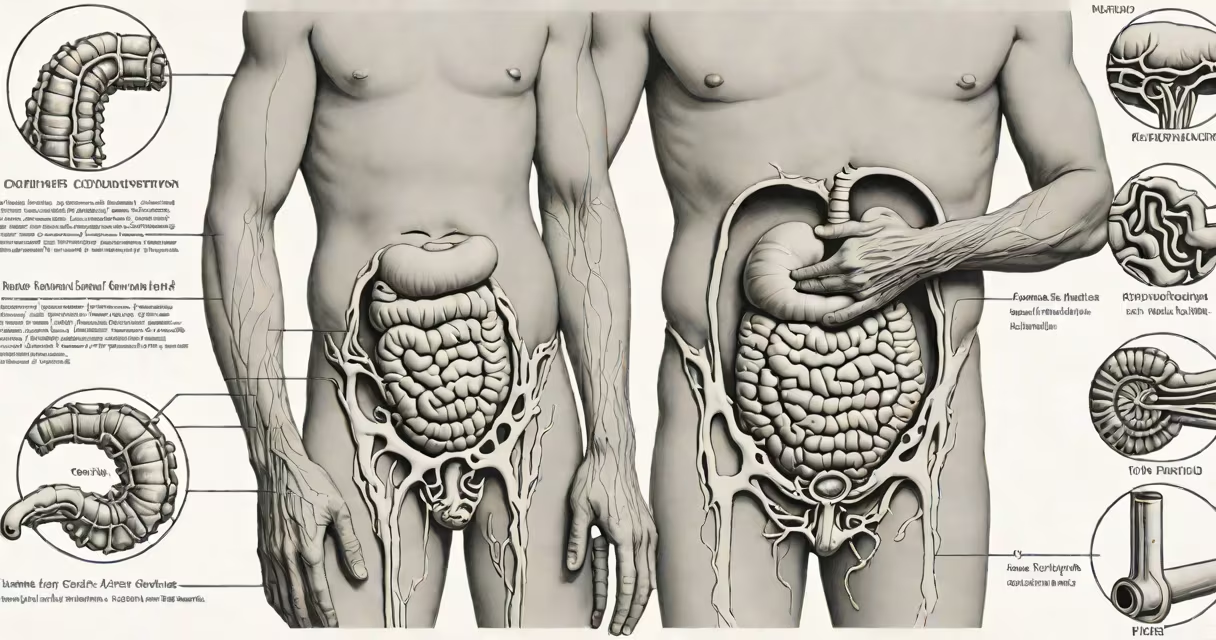
Constant constipation occurs when bowel movements become infrequent or difficult to pass, often due to dietary factors, lifestyle habits, or underlying medical conditions. It typically involves fewer than three bowel movements per week or stools that are hard, dry, or painful to pass.
Constipation happens when food moves too slowly through the digestive tract, causing water to be absorbed from the stool, making it harder and more difficult to pass. The colon's muscles contract to move stool, but if these contractions are slow or weak, constipation can result. Common triggers include low fiber intake, dehydration, lack of physical activity, and certain medications.
Constipation can be classified into several types based on its causes:
Several factors contribute to constant constipation. Dietary issues, such as low fiber intake, are a primary cause. The average American consumes only about 15 grams of fiber per day, far below the recommended 25-38 grams. Increasing fiber intake through foods like fruits, vegetables, whole grains, and legumes can help regulate bowel movements.
Dehydration is another major factor. Water softens stool, making it easier to pass. Drinking at least eight glasses of water daily can prevent constipation. Regular physical activity also stimulates intestinal activity. Aim for at least 30 minutes of moderate exercise most days of the week.
Certain medications, such as pain relievers, antidepressants, and antacids, can slow digestion. If medication-related constipation is suspected, consult a healthcare provider for alternatives or adjustments. Stress and anxiety can also affect digestion by altering gut motility. Practices like mindfulness, meditation, and deep breathing exercises may help manage stress-related constipation.
While occasional constipation is common, persistent issues may indicate an underlying condition. Seek medical advice if constipation lasts more than three weeks, is accompanied by rectal bleeding, or causes severe pain. Conditions like irritable bowel syndrome (IBS), diabetes, and thyroid disorders can contribute to chronic constipation. A healthcare provider can diagnose the root cause and recommend appropriate treatments.
For those experiencing constant constipation, increasing fiber intake, staying hydrated, and engaging in regular physical activity are effective first steps. If symptoms persist, consulting a healthcare provider for a thorough evaluation is important. Understanding the causes and implementing lifestyle changes can improve digestive health and well-being.