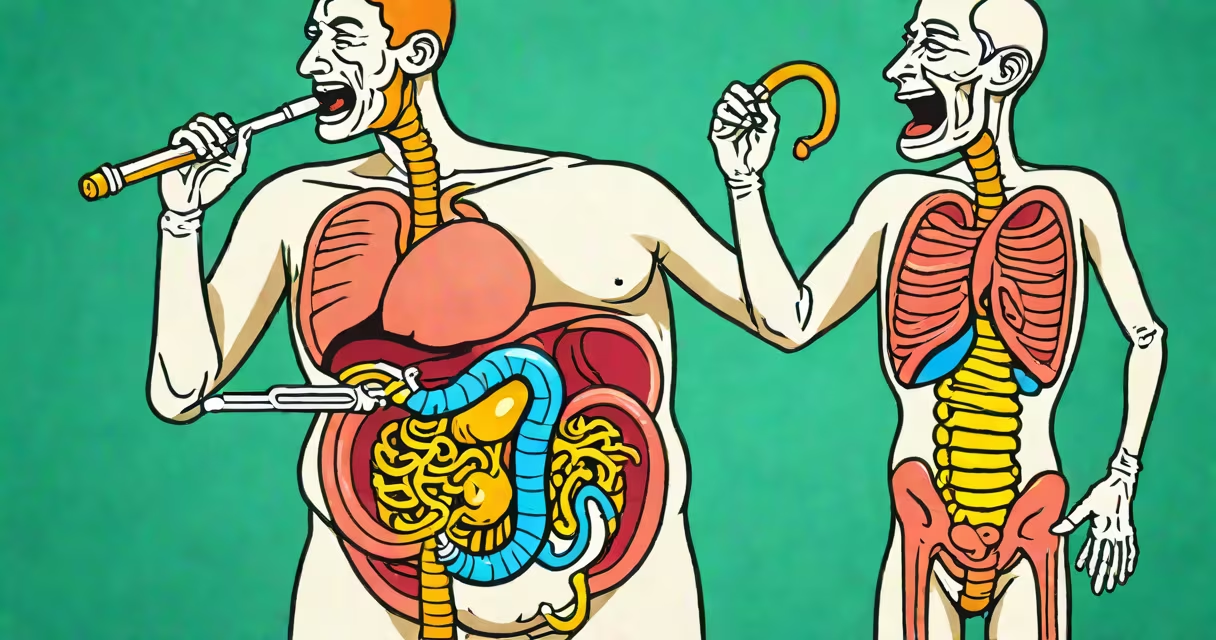
Belching after eating occurs when air in your stomach escapes through your mouth. Most burps pass unnoticed, but frequent or loud belching may indicate underlying issues.
Your stomach produces gas during digestion, and swallowing air introduces more. When gas buildup creates pressure, your lower esophageal sphincter opens to release it as a burp. Occasional belching is normal, but excessive burping may signal problems.
Several factors contribute to excessive belching:
Consult a doctor if belching persists for weeks, causes discomfort, or accompanies symptoms like heartburn, nausea, or weight loss. Persistent belching may indicate GERD, peptic ulcers, or other conditions requiring treatment.
I noticed excessive belching after meals when eating too quickly. Slowing down and chewing thoroughly reduced the frequency of belches.
Many people assume belching is always harmless. While occasional burping is normal, frequent or painful belching may require medical attention. Some confuse belching with vomiting, but they involve different mechanisms and triggers.
Try these strategies to reduce belching: