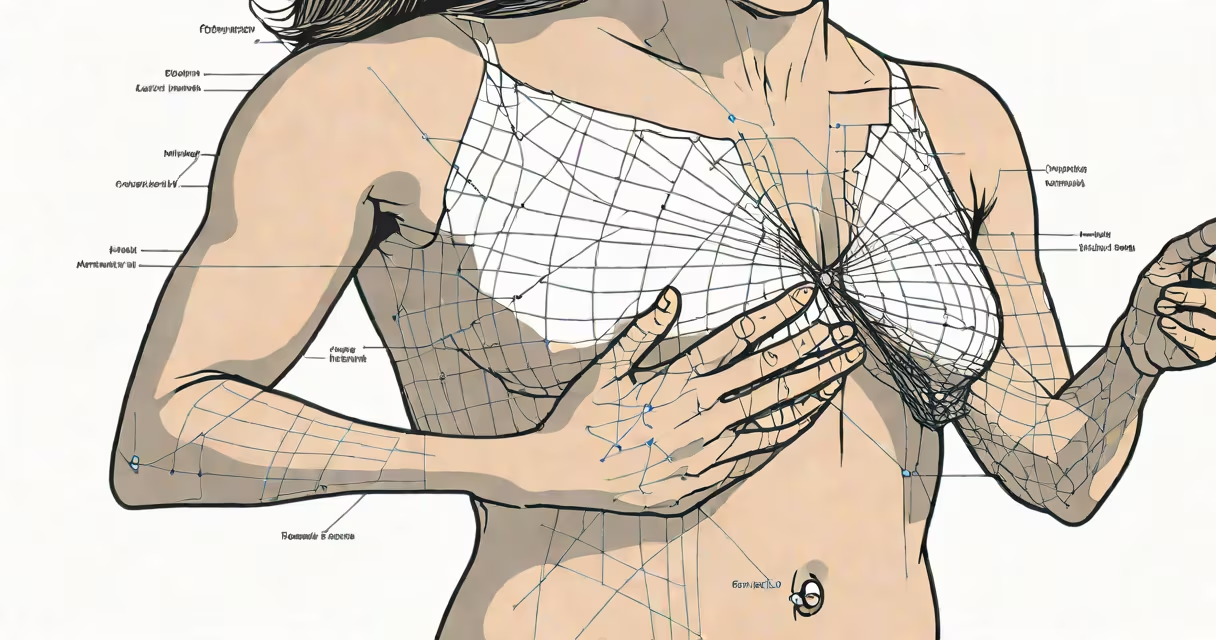
Breast pain, or mastalgia, can result from hormonal fluctuations, infections, or underlying medical conditions. Most cases are benign, but persistent or severe pain warrants medical evaluation.
Breast tissue is sensitive to hormonal changes, particularly estrogen and progesterone. These fluctuations can cause swelling, tenderness, and pain. Pain can also arise from muscle strain, cysts, or infections. Severe or localized pain may indicate a more serious condition, such as cancer, though this is rare.
| Type | Description | Common Causes |
|---|---|---|
| Cyclical | Pain linked to menstrual cycle | Hormonal fluctuations |
| Non-cyclical | Pain unrelated to menstrual cycle | Injuries, cysts, infections |
| Extracyclical | Pain from nearby structures | Muscle strain, costochondritis |
Breast pain is most common among women aged 30 to 50, often due to hormonal changes. Non-cyclical pain can occur at any age and may result from trauma, such as a sports injury or surgical procedure. Extracyclical pain, like that from muscle strain, can affect anyone, regardless of gender.
Hormonal birth control or menopause treatments can sometimes alleviate cyclical pain. For non-cyclical pain, treatment depends on the underlying cause, such as antibiotics for infections or physical therapy for muscle strain.
Many people confuse breast pain with heartburn or heart-related issues. Unlike heartburn, which often feels like a burning sensation behind the breastbone, breast pain typically occurs in the breast tissue itself. Heart-related pain may radiate to the arm or jaw and is often accompanied by shortness of breath or dizziness.
While breast cancer can cause pain, most breast pain is not cancer-related. According to the American Cancer Society, only about 5% of breast cancers present with pain as the primary symptom.
Sarah, a 40-year-old woman, noticed sharp pain in her left breast that worsened during her menstrual cycle. She also felt lumpiness in the area. After consulting a doctor, she was diagnosed with fibrocystic breast changes, a benign condition characterized by lumps and tenderness. Her doctor recommended over-the-counter pain relievers and a supportive bra to manage the discomfort.
In another case, Mark, a 35-year-old man, experienced sudden chest pain after lifting heavy weights. The pain was localized to his pectoral muscle and worsened with movement. A physical therapist diagnosed him with a muscle strain and recommended rest, ice, and gentle stretching exercises.
If you experience persistent or severe breast pain, consult a healthcare professional for an accurate diagnosis and appropriate treatment. Early evaluation can rule out serious conditions and provide relief for benign causes.
Learn about chest pains that mimic heartburn