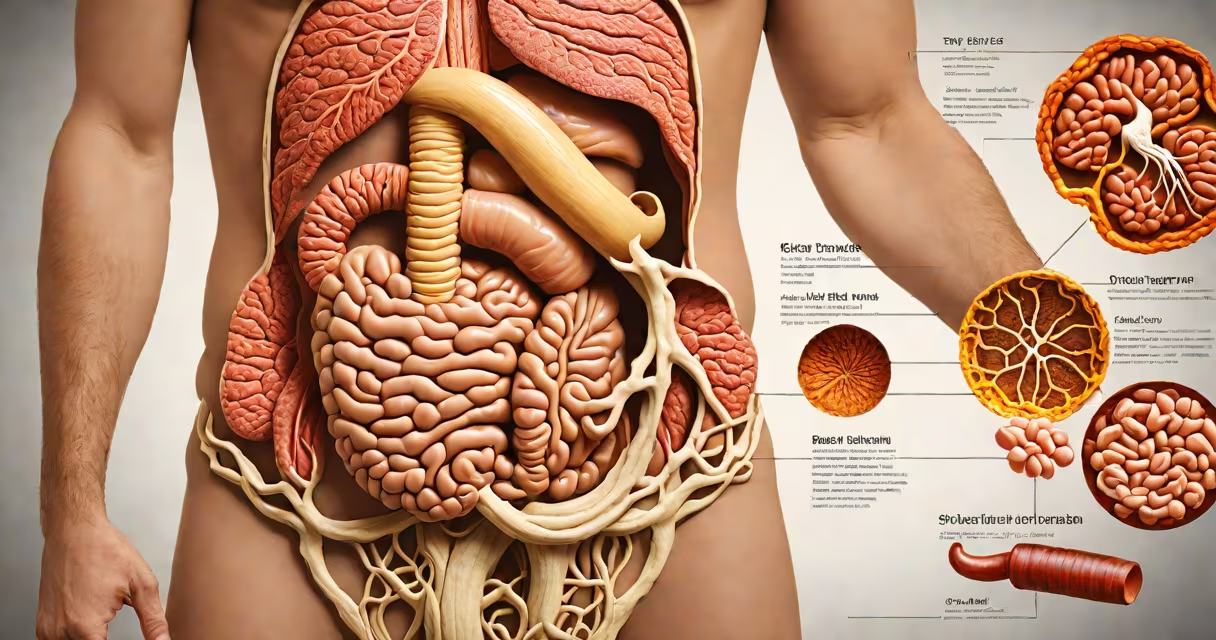
Your body triggers the gastrocolic reflex, which stimulates bowel movements after meals. This happens because eating increases stomach pressure and releases hormones that activate colon contractions.
The digestive process begins as soon as you start eating. Your stomach mechanically breaks down food while enzymes and stomach acid chemically digest it. This mixture, called chyme, gradually empties into your small intestine over 2-6 hours, depending on the meal's size and composition.
When food enters your stomach, it stretches the stomach walls, triggering the gastrocolic reflex. This reflex causes your colon to contract, moving waste toward the rectum. The reflex is stronger after meals because your body prioritizes making room for new food.
Several factors influence how soon you poop after eating:
Most people experience stronger gastrocolic reflexes in the morning. This is why many have bowel movements shortly after breakfast-a phenomenon known as the "breakfast effect."
Consult a healthcare provider if you experience:
These symptoms could indicate underlying conditions like irritable bowel syndrome (IBS) or inflammatory bowel disease (IBD).