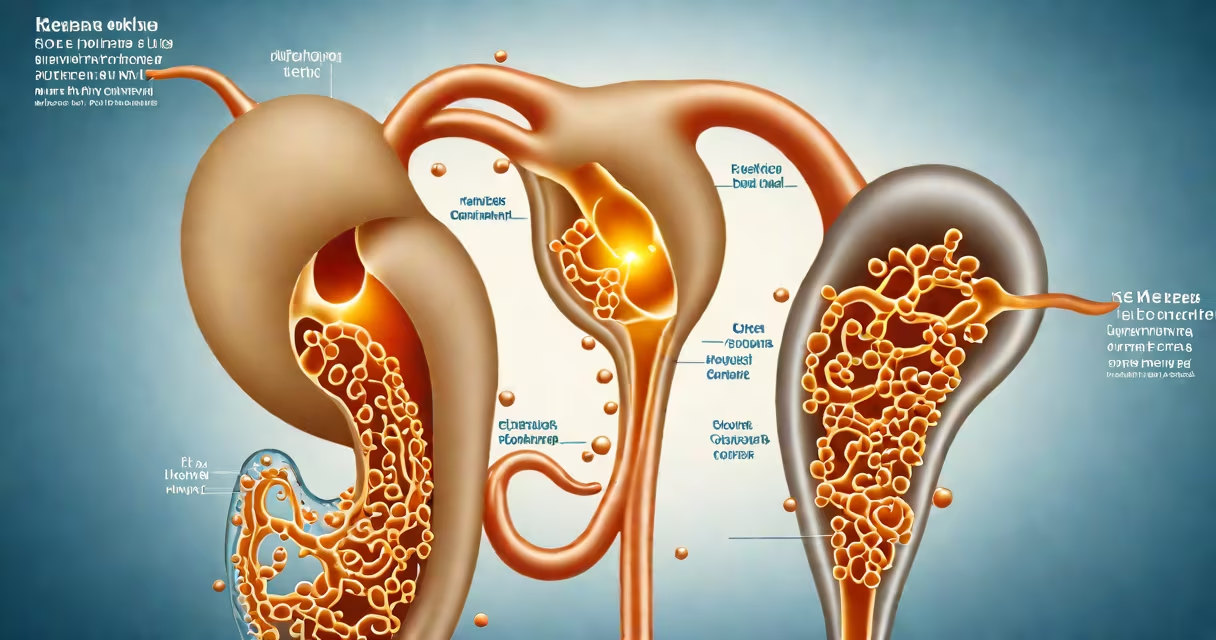
Farting feels good because it relieves internal pressure in your intestines, providing immediate physical comfort. This sensation occurs when gas builds up in your digestive tract, creating discomfort until expelled.
Gas forms in your intestines during digestion, either from swallowed air or bacterial breakdown of undigested food. When pressure increases, it stimulates stretch receptors in your intestinal walls, signaling discomfort. Passing gas reduces this pressure, triggering a pleasurable release sensation.
| Type | Source | Common Components |
|---|---|---|
| Swallowed Air | Eating/drinking | Nitrogen, oxygen |
| Digestive Gas | Bacterial fermentation | Hydrogen, carbon dioxide, methane |
The pleasure comes from both physical relief and neurological factors. Reducing intestinal pressure directly eases discomfort., the vagus nerve - which connects your gut to your brain - plays a role in this pleasant sensation. A 2010 study in Gastroenterology confirmed that gas expulsion activates reward pathways in the brain.
Many people believe farting is primarily about odor, but the sensation of relief actually comes from pressure reduction. While sulfur compounds create smells, the physical comfort occurs regardless of odor. Another myth is that holding in gas makes it smell worse - actually, longer retention allows more time for bacteria to break down compounds, potentially increasing odor.
I noticed this effect firsthand when testing different high-fiber foods. Foods like beans created more noticeable pressure buildup, making the subsequent relief more pronounced. The sensation was most apparent after meals where gas production was highest.
While socially awkward, farting serves important health functions. It helps maintain proper intestinal pressure and removes waste gases from your digestive system. Most adults pass gas 13-21 times per day, according to the International Foundation for Gastrointestinal Disorders.