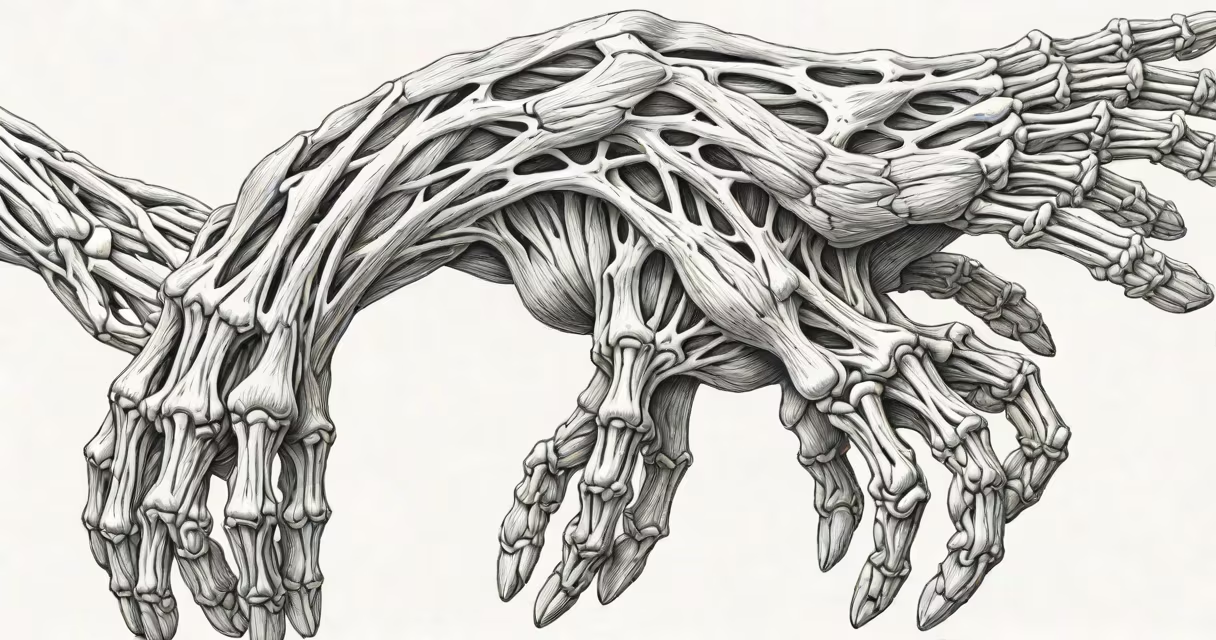
Arm pain can result from muscle strains, nerve compression, or joint issues. Sudden or persistent aches often require medical evaluation.
Arm pain arises, tendons, ligaments, bones, joints, or nerves. Overuse, injury, or underlying conditions like arthritis or diabetes cause inflammation, pressure, or reduced blood flow. The pain may radiate from the neck or shoulder due to referred pain.
| Type | Common Causes | Key Symptoms |
|---|---|---|
| Muscle strain | Overuse, heavy lifting, sudden movements | Localized pain, swelling, limited movement |
| Nerve compression | Repetitive motions, poor posture, herniated discs | Sharp pain, tingling, numbness (e.g., carpal tunnel syndrome) |
| Joint issues | Arthritis, fractures, dislocations | Stiffness, swelling, pain during movement |
| Circulatory problems | Blood clots, atherosclerosis, Raynaud's disease | Coldness, color changes, weakness |
Seek medical attention if arm pain persists beyond a few days, worsens, or occurs with chest pain, shortness of breath, or sudden swelling. These symptoms may indicate a heart attack, blood clot, or other serious conditions. The Mayo Clinic advises evaluating arm pain alongside other symptoms to determine its cause.
Many people assume arm pain always stems from overexertion. However, sudden severe pain without obvious injury could signal a heart attack, especially if accompanied by chest discomfort. The American Heart Association warns that arm pain is a recognized symptom of cardiac issues, particularly in women.
Last year, I developed persistent left-arm pain after intense weightlifting. Initially, I dismissed it as a minor strain. However, when the pain persisted for over a week, I consulted a doctor. Tests revealed mild nerve irritation from repetitive motions. Physical therapy and rest resolved the issue within weeks.
To prevent arm pain, practice proper posture, warm up before exercise, and avoid repetitive strain. For relief, apply ice for acute injuries and heat for chronic stiffness. Over-the-counter pain relievers like ibuprofen can reduce inflammation. Gentle stretching and strengthening exercises also help.