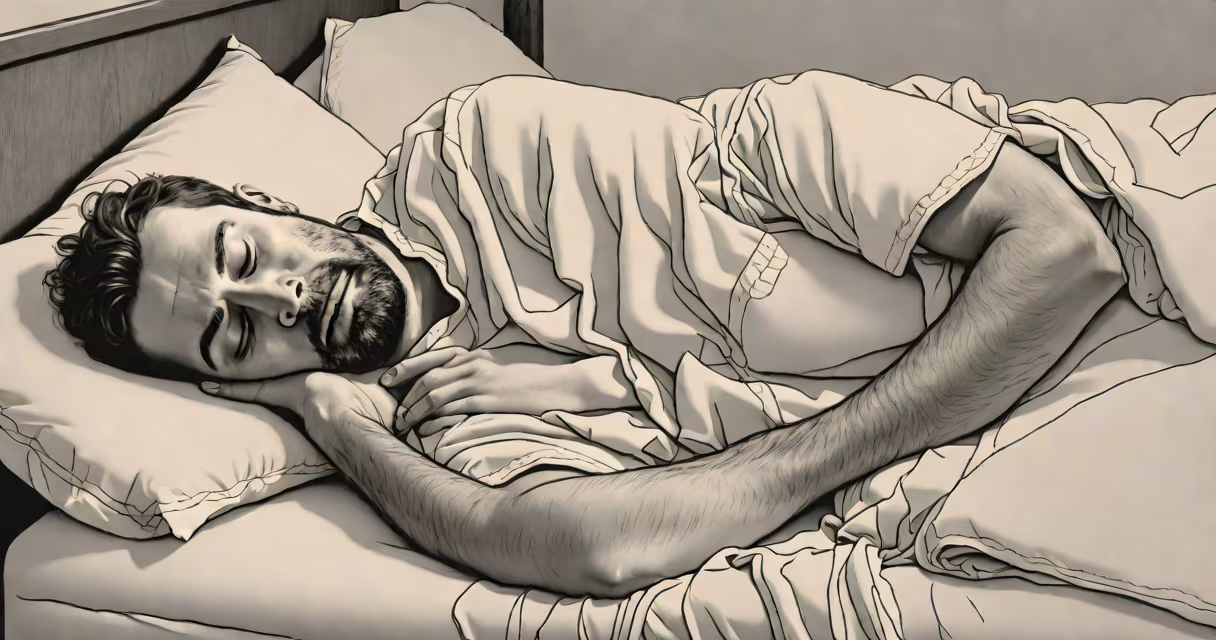
Your body overheats at night due to disrupted thermoregulation, hormonal changes, or external factors like room temperature or bedding. This can lead to discomfort, sleep disturbances, or even night sweats.
How Your Body Regulates Temperature
Your body maintains a core temperature around 98.6°F (37°C). At night, your core temperature drops slightly to help you fall asleep. However, disruptions in this process can cause overheating. The hypothalamus acts as your body's thermostat, releasing hormones and triggering physiological responses to regulate heat.
Main Causes of Nighttime Overheating
Several factors can contribute to your body overheating at night:
Hormonal changes: Menopause, pregnancy, and thyroid disorders can cause fluctuations in hormone levels, leading to night sweats and overheating.
Sleep environment: A warm bedroom, heavy blankets, or tight pajamas can trap heat and prevent your body from cooling down.
Medications: Certain medications, such as antidepressants, pain relievers, and hormone therapies, can interfere with your body's ability to regulate temperature.
Stress and anxiety: Elevated stress levels can increase your body temperature, making it harder to cool down at night.
Medical conditions: Infections, autoimmune disorders, and neurological conditions can also cause night sweats and overheating.
Common Misconceptions
Many people assume that night sweats are always a sign of menopause, but they can occur in men and younger women as well., while overheating can disrupt sleep, it doesn't necessarily mean you have a serious medical condition. However, persistent night sweats should be evaluated by a doctor.
How to Stay Cool at Night
To reduce nighttime overheating, try these strategies:
Adjust your sleep environment: Keep your bedroom cool (around 65°F or 18°C), use breathable bedding, and wear lightweight pajamas.
Stay hydrated: Drink plenty of water throughout the day to help your body regulate its temperature.
Avoid heavy meals and alcohol before bed: These can raise your core body temperature and make it harder to cool down.
Use cooling products: Consider using a chilled gel pad, a fan, or moisture-wicking sheets to help lower your body temperature.
Manage stress: Practice relaxation techniques like deep breathing, meditation, or yoga to reduce stress-related overheating.
When to See a Doctor
While occasional night sweats are usually harmless, frequent or severe overheating may indicate an underlying issue. Consult a doctor if you experience:
Night sweats that disrupt your sleep regularly
Other symptoms like fever, weight loss, or fatigue
Overheating accompanied by chest pain or shortness of breath
Your doctor may perform blood tests, imaging studies, or other diagnostic tests to identify the cause of your night sweats. Treatment will depend on the underlying cause, whether it's hormonal changes, an infection, or another medical condition.
Final Thoughts
Understanding why your body overheats at night can help you take steps to stay cool and improve your sleep quality. If overheating persists, don't hesitate to seek medical advice. For more tips on optimizing your sleep environment, explore our resources on creating a comfortable and restful bedroom.