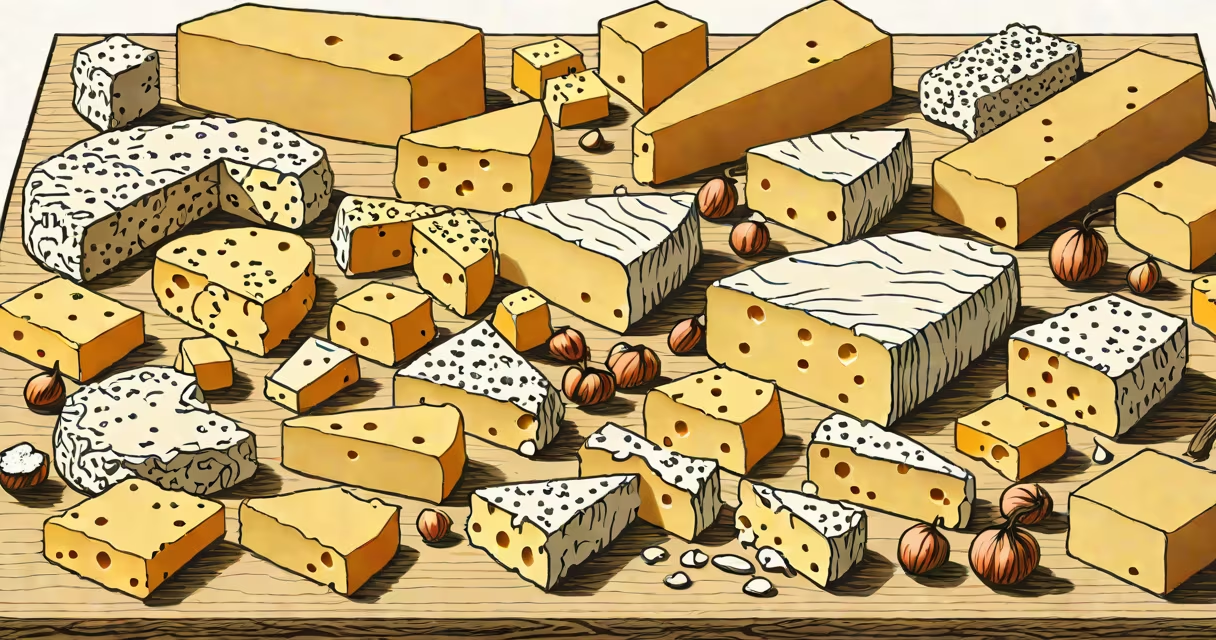
Cheese makes you gassy because your body struggles to digest its lactose and fat content completely, leaving undigested material for gut bacteria to ferment. This fermentation produces gas as a byproduct.
When you eat cheese, your body breaks down its proteins, fats, and lactose using enzymes. However, many people lack sufficient lactase-the enzyme that digests lactose-or produce too much gas-producing gut bacteria. Undigested lactose reaches the colon, where bacteria ferment it, creating gas.
Not all cheeses affect people equally. Hard cheeses like cheddar and parmesan have less lactose, while soft cheeses like cream cheese and mozzarella contain more. Aged cheeses generally cause less gas because aging reduces lactose content.
| Cheese Type | Lactose Content | Gas Potential |
|---|---|---|
| Cheddar | Low | Low |
| Mozzarella | Medium | Medium |
| Cream Cheese | High | High |
Many people assume all dairy causes gas equally. However, aged cheeses and those with lower lactose content are less likely to cause bloating., some believe that only lactose-intolerant individuals experience gas from cheese, but even those with normal lactase levels can experience bloating due to high-fat content.
To minimize gas from cheese, opt for lactose-free or aged cheeses. Pairing cheese with fiber-rich foods can also help balance digestion., taking digestive enzymes before consuming cheese may reduce symptoms. For example, I noticed less bloating after switching from cream cheese to parmesan in my morning bagel.