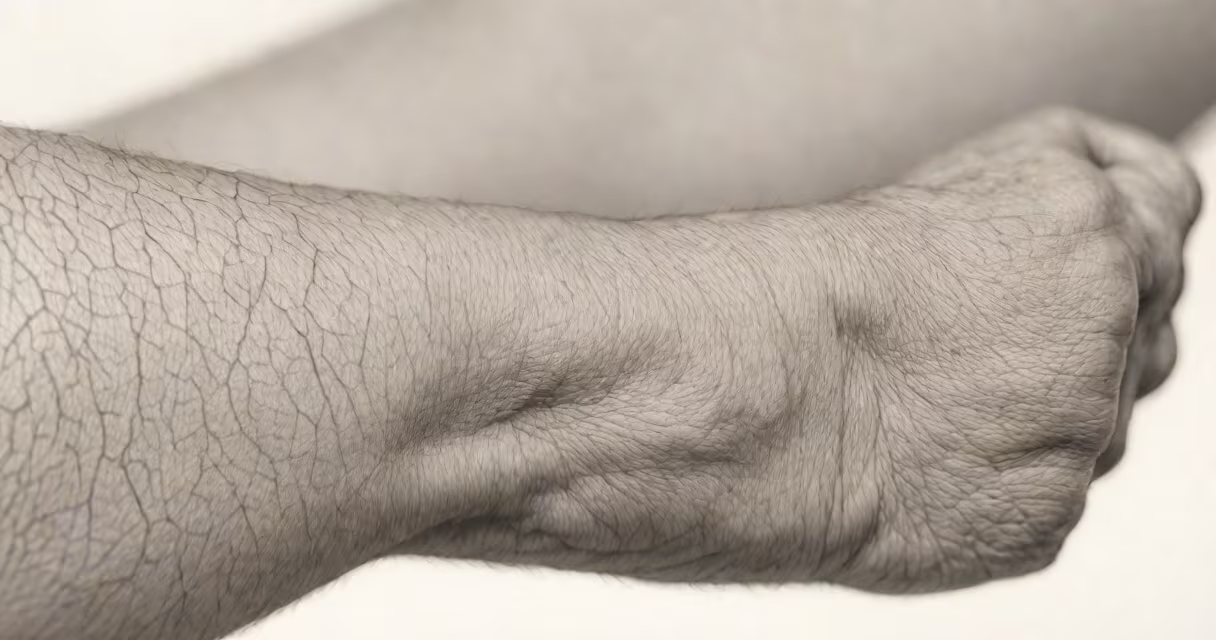
Skin soreness occurs when your skin becomes tender, sensitive, or painful to touch, often due to irritation, inflammation, or underlying conditions. It can affect any part of your body, including your abdomen, Achilles tendon, or arms.
Your skin has nerve endings that detect pain and temperature. When your skin is damaged or inflamed, these nerves send signals to your brain, making the area feel sore. Common triggers include dryness, friction, or allergic reactions.
| Type | Common Causes | Examples |
|---|---|---|
| Dry skin | Cold weather, low humidity, aging | Flaky patches on arms or legs |
| Irritation | Harsh soaps, chemicals, friction | Redness or burning after shaving |
| Allergic reaction | Plants, medications, skincare products | Rash or itching after contact |
| Infection | Bacteria, fungi, viruses | Painful blisters or swelling |
Most skin soreness resolves with home care, but persistent or severe cases may require medical attention. The American Academy of Dermatology recommends seeing a doctor if soreness lasts more than a week, spreads, or is accompanied by fever or pus.
Many people assume skin soreness is always caused by external factors like weather or products. However, internal issues such as eczema or diabetes can also play a role. According to the National Eczema Association, about 30 million Americans have some form of eczema, which often causes sore, inflamed skin.
I once experienced persistent skin soreness on my arms that didn't improve with moisturizers. A dermatologist diagnosed me with mild eczema, which improved with prescription cream and avoiding certain detergents.
To soothe sore skin, apply fragrance-free moisturizers, avoid hot showers, and wear loose clothing. For irritations, identify and remove the trigger. Over-the-counter hydrocortisone creams can reduce inflammation.