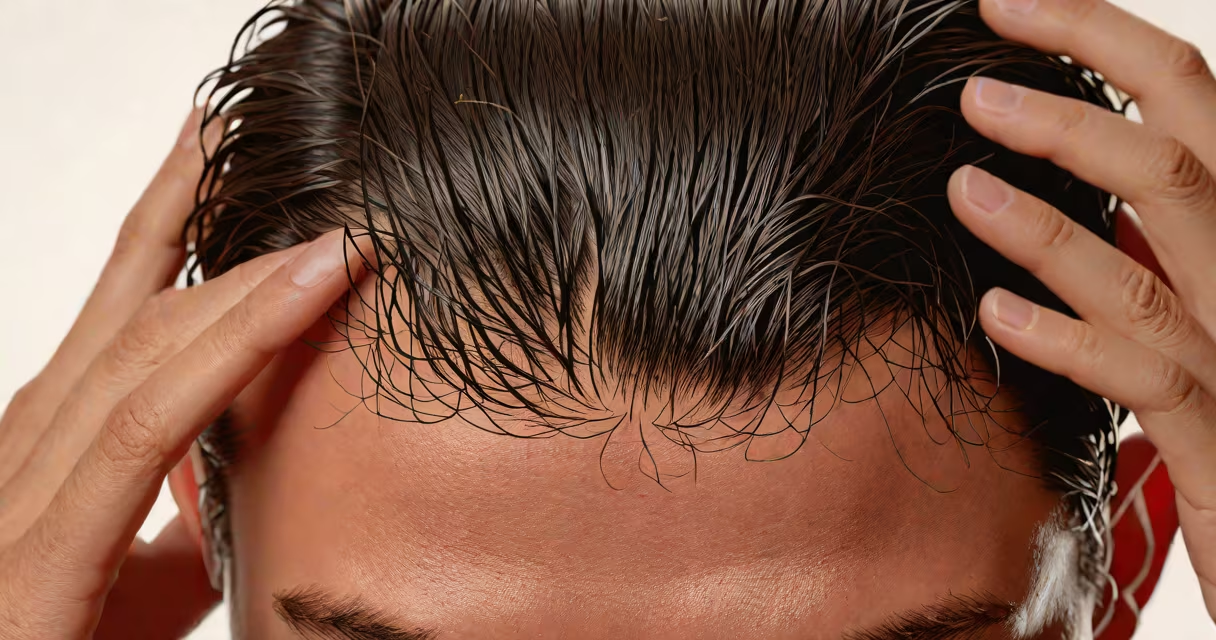
Scalp burning and itching are common symptoms caused by irritation, infection, or allergic reactions. These sensations often result from conditions like dandruff, contact dermatitis, or fungal infections.
Several factors can lead to scalp burning and itching:
When your scalp becomes irritated, it triggers an inflammatory response. This response can cause itching and burning sensations. For example, dandruff occurs when the yeast Malassezia feeds on oils in your scalp, disrupting the skin barrier and causing flakes and itching.
| Condition | Symptoms | Treatment |
|---|---|---|
| Dandruff | Flaking, itching | Antifungal shampoos, salicylic acid |
| Contact Dermatitis | Redness, swelling, itching | Avoid irritants, use hydrocortisone cream |
| Fungal Infection | Scaling, swelling, itching | Antifungal medications, oral antifungals for severe cases |
| Psoriasis | Red patches, silvery scales | Topical steroids, light therapy |
| Seborrheic Dermatitis | Greasy scales, redness | Medicated shampoos, antifungal creams |
To prevent scalp burning and itching, maintain good hygiene, avoid harsh chemicals, and use gentle hair products. Regularly wash your hair with a mild shampoo and consider using products specifically designed for sensitive scalps.
Another misconception is that scratching relieves itching. While it may provide temporary relief, excessive scratching can worsen irritation and lead to infections.
I once experienced severe scalp itching and burning after using a new hair dye. The symptoms persisted for days, and I had to switch to a gentle, fragrance-free shampoo and apply a hydrocortisone cream to alleviate the discomfort. This incident highlighted the importance of patch-testing new hair products before full application.
If over-the-counter treatments do not relieve symptoms, or if you notice signs of infection such as pus, fever, or spreading redness, seek medical attention immediately. A dermatologist can diagnose the underlying cause and recommend appropriate treatments.