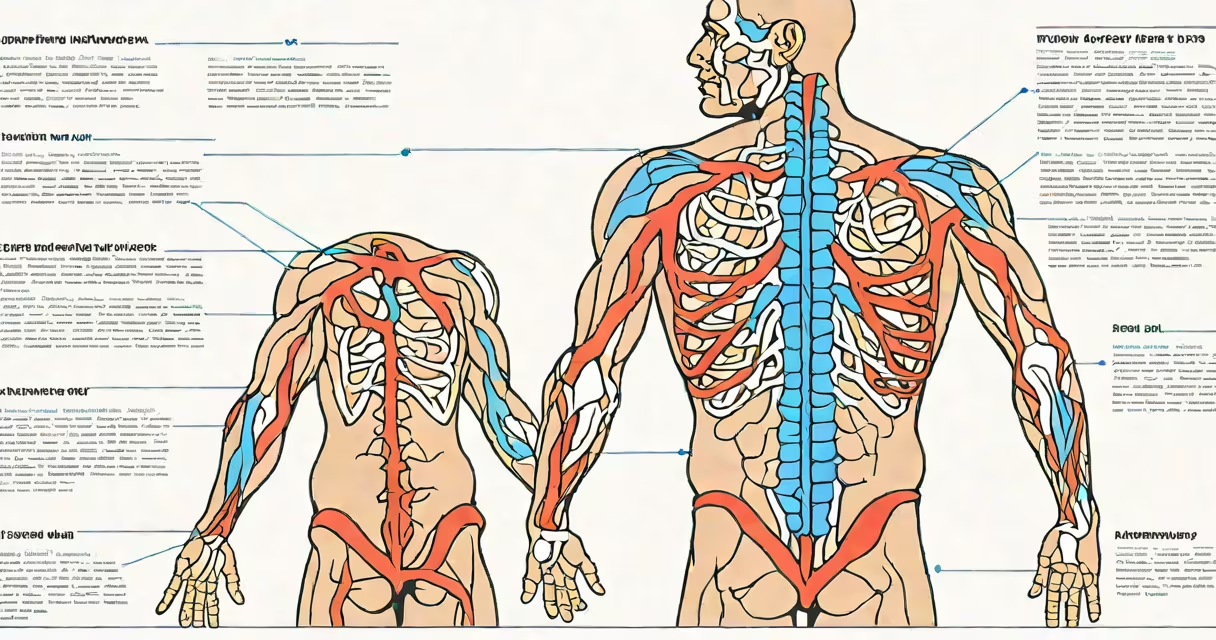
Fascia tightness occurs when the connective tissue surrounding muscles becomes restricted due to injury, poor posture, or repetitive movement patterns. This common condition often feels like stiffness or reduced range of motion.
Fascia is a web-like connective tissue that wraps around muscles, bones, and organs. When you move, fascia should glide smoothly, but trauma or stress can cause it to stick together and tighten. Think of it like plastic wrap - normally flexible, but prone to clumping when compressed.
The most common reasons for fascia tightness include:
Many people confuse fascia tightness with muscle tightness. While related, they're different issues. Muscles contract and relax voluntarily, while fascia tightness is usually involuntary and requires different treatment approaches.
For immediate relief, try foam rolling or gentle stretching. For long-term improvement, combine myofascial release techniques with hydration and posture correction. A physical therapist can provide personalized exercises to address specific tight areas.
I've seen clients with chronic lower back tightness achieve dramatic improvement through consistent fascial release work combined with hydration tracking. The key is consistency - fascia responds slowly to treatment but can show significant improvement over weeks.