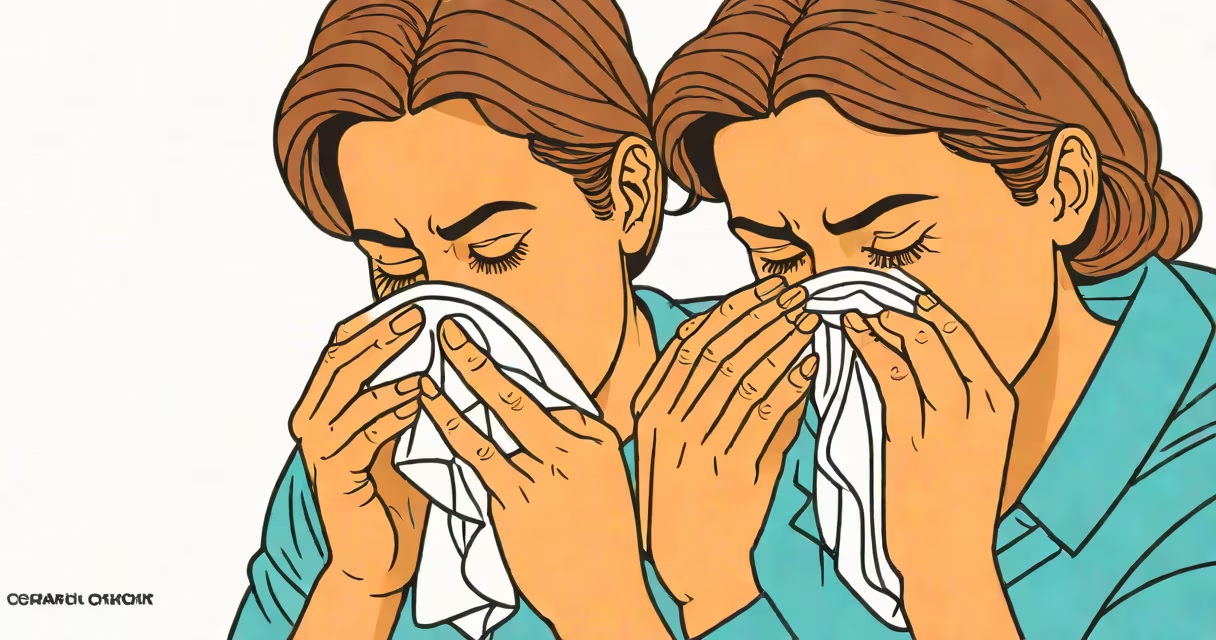
A cold typically worsens 3-5 days after symptoms start before improving. But if symptoms persist beyond 10 days or suddenly intensify, it may indicate a secondary infection or complication.
Colds follow a predictable pattern. The first signs are sneezing, runny nose, and sore throat. After 2-3 days, congestion and cough develop. By day 5, symptoms peak before gradually subsiding over the next week.
If symptoms suddenly intensify after initial improvement, it often signals a bacterial infection like sinusitis or strep throat. A fever returning after subsiding is another red flag.
| Complication | Key Symptoms | Typical Duration |
|---|---|---|
| Sinus infection | Thick yellow/green mucus, facial pain, headache | 7-14 days |
| Strep throat | Severe sore throat, white patches, fever | 3-7 days untreated |
| Bronchitis | Persistent cough, wheezing, chest discomfort | 3 weeks or longer |
Many people assume worsening colds always require antibiotics. However, most colds are viral and resolve without treatment. Overusing antibiotics contributes to antibiotic resistance.
Another myth is that pushing through a worsening cold is safe. If symptoms persist beyond 10 days or include severe headache, high fever, or difficulty breathing, seek medical attention immediately.
I once ignored worsening cold symptoms for five days, assuming it was just a bad cold. When I developed severe sinus pressure and a fever of 102°F, I finally saw a doctor, who diagnosed a bacterial sinus infection requiring antibiotics.
Visit a healthcare provider if you experience:
Stay hydrated, rest, and use saline nasal sprays to keep mucous membranes moist. Avoid smoking and secondhand smoke, which can worsen respiratory infections.
Most colds resolve without treatment, but recognizing when symptoms worsen unexpectedly can prevent serious complications. If in doubt, consult a healthcare professional.