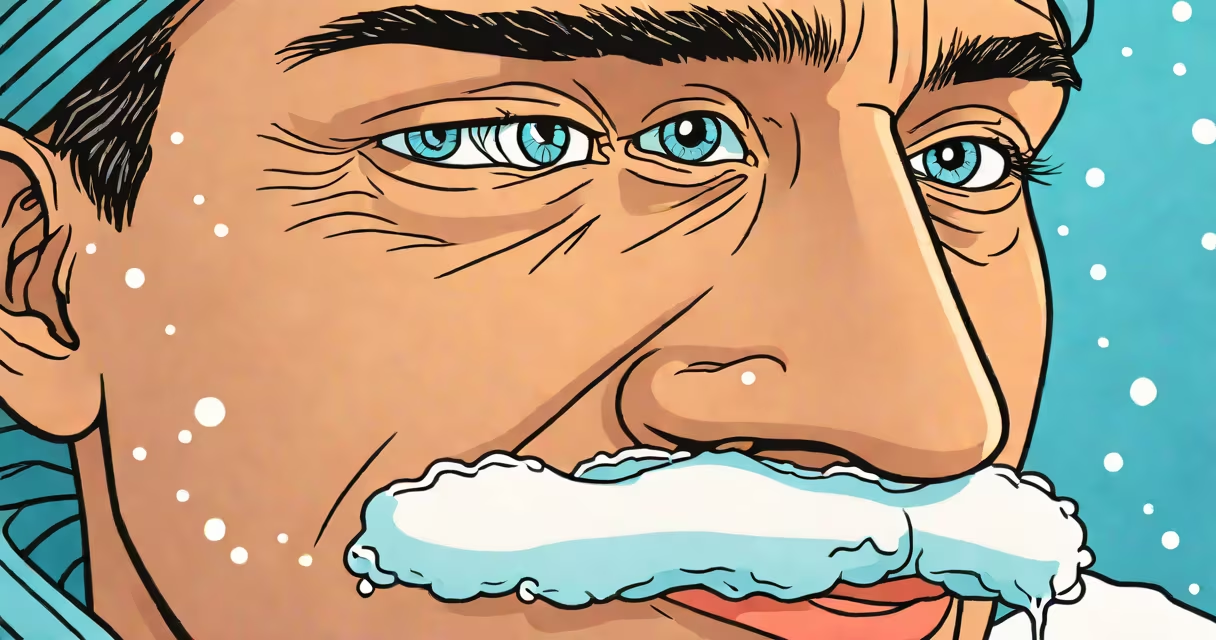
The tip of your nose often feels colder than the rest of your face because it has fewer blood vessels and less subcutaneous fat, making it more sensitive to temperature changes. This localized cooling happens due to vasoconstriction-your body's way of conserving heat by narrowing blood vessels in extremities.
When exposed to cold air, your body reduces blood flow to peripheral areas like your nose, ears, and fingers. This reflex helps maintain core body temperature. The nasal tip, with its thin tissue and high surface-area-to-volume ratio, cools quickly. Studies show nasal blood flow can drop by 50% in cold conditions (National Library of Medicine).
| Type | Cause | Duration |
|---|---|---|
| Environmental cooling | Cold air exposure | Minutes to hours |
| Stress-induced cooling | Adrenaline release | Minutes |
| Medical conditions | Circulatory issues | Persistent |
Many people confuse a cold nose tip with a runny nose caused by allergies or infections. While both may occur in cold weather, they stem from different physiological responses-vasoconstriction versus mucosal irritation. A cold nose tip typically doesn't produce discharge, whereas a runny nose involves increased mucus production.
During a winter hike in Colorado, I noticed my nasal tip turning pale and feeling numb within 15 minutes of exposure. This aligns with research showing that prolonged cold exposure can lead to frostnip-a mild form of frostbite-in unprotected areas (Mountain Safety Council). Wearing a balaclava prevented further cooling.
A persistently cold nose tip accompanied by discoloration, pain, or numbness may indicate poor circulation. Conditions like Raynaud's disease cause extreme vasoconstriction. If symptoms don't resolve in warm conditions, consult a healthcare provider to rule out underlying vascular issues.