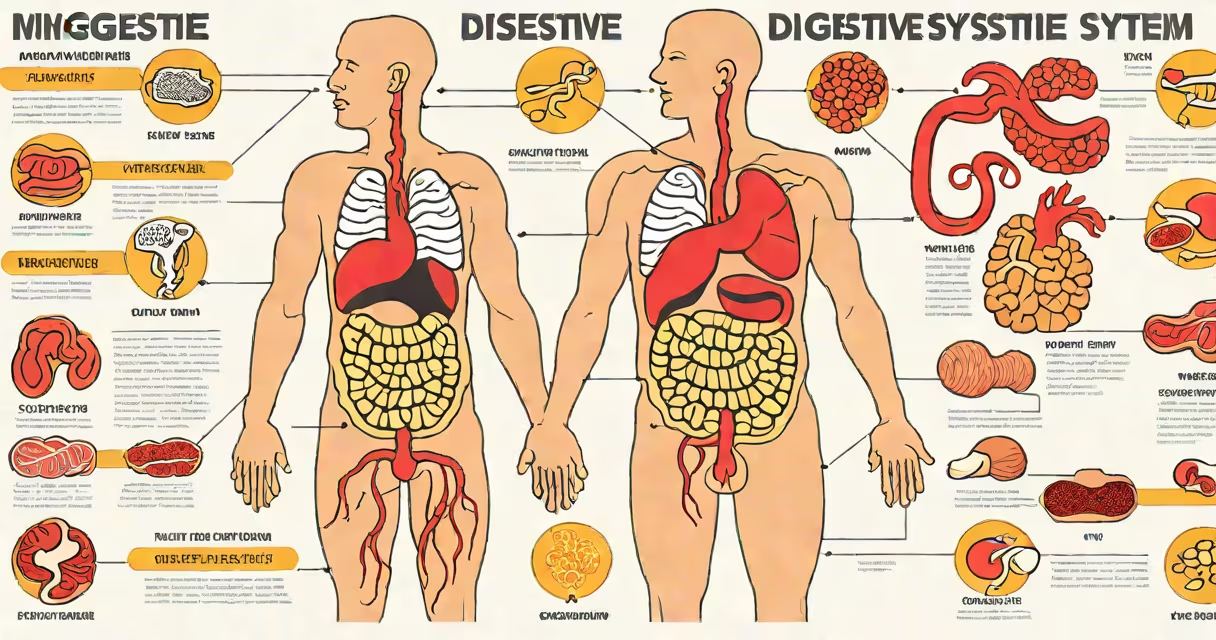
The digestive system is important because it breaks down food into nutrients, absorbs those nutrients into the bloodstream, and removes waste from the body. This process fuels cells, supports growth, and maintains health.
The digestive system processes food through mechanical and chemical digestion. Mechanical digestion involves physical breakdown, like chewing and stomach contractions. Chemical digestion uses enzymes to break down proteins, fats, and carbohydrates.
For example, saliva contains amylase, which begins breaking down starches in the mouth. The stomach's hydrochloric acid denatures proteins, while the small intestine's enzymes further digest food into absorbable molecules.
The digestive system includes the mouth, esophagus, stomach, small intestine, large intestine, rectum, and anus. Accessory organs like the liver, pancreas, and gallbladder produce enzymes and bile to aid digestion.
The small intestine absorbs most nutrients, while the large intestine removes water and forms solid waste. The liver processes nutrients and detoxifies chemicals, and the pancreas produces enzymes and insulin.
According to the National Institute of Diabetes and Digestive and Kidney Diseases, about 60-70 million Americans suffer from digestive diseases. Proper diet, hydration, and medical treatment can manage these conditions.
The digestive system hosts trillions of bacteria in the gut microbiome, which aid digestion, support immunity, and produce vitamins like K and B12. Poor gut health links to obesity, diabetes, and mental health issues.
Probiotics in yogurt and fermented foods promote healthy bacteria. A balanced diet rich in fiber, lean proteins, and healthy fats also supports digestive health.
Many believe digestion ends in the stomach, but most nutrient absorption occurs in the small intestine. Others think skipping meals helps digestion, but irregular eating disrupts the digestive process.
Regular meals, proper hydration, and fiber intake maintain steady digestion. Over-the-counter antacids can relieve occasional heartburn, but persistent symptoms require medical attention.
Understanding the digestive system's functions highlights its importance in sustaining energy, immunity, and well-being. Proper care ensures efficient digestion and prevents long-term health issues.