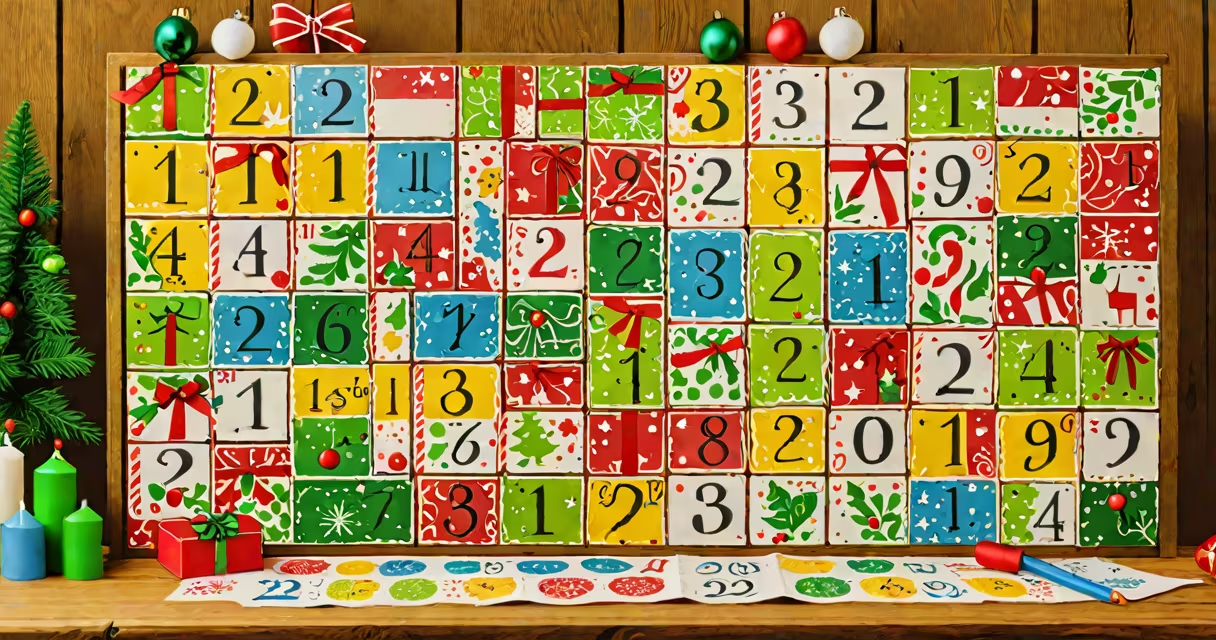
An advent calendar is a special calendar used to count down the days leading to Christmas, typically featuring small gifts, chocolates, or activities behind numbered doors or compartments. These calendars blend religious observance with festive anticipation.
Most advent calendars follow a simple structure: they contain 24 compartments (one for each day of December leading to Christmas Eve) or 25 (including Christmas Day). Each compartment holds a small treat, toy, or activity. The tradition begins on December 1st and continues through Christmas morning.
| Type | Description | Example |
|---|---|---|
| Chocolate | Contains small chocolate pieces behind each door | Lindt Gold Bunny Advent Calendar |
| Toy/Activity | Features small toys, crafts, or activities | Lego Star Wars Advent Calendar |
| Religious | Focuses on Christian themes with prayers or Bible verses | Christian Art Gifts Wooden Advent Calendar |
| DIY/Family | Custom-made with personal touches or family activities | Homemade craft advent calendar |
The advent calendar tradition began in Germany in the 19th century. The first known advent calendar was handmade in 1851 by Gerhard Lang, who later produced printed versions. Commercial production started in the early 20th century, with mass-market versions appearing after World War II. Today, advent calendars generate over $600 million in annual sales in the U.S. alone (Statista, 2022).
Many assume advent calendars always start on December 1st, but some versions begin earlier to accommodate different Christmas traditions. Another misconception is that they're exclusively for children - adult-themed advent calendars have grown in popularity, including options for whiskey, wine, or even hot sauces.
I once created a family advent calendar with activities instead of gifts. Each compartment held a slip of paper describing a holiday activity, like decorating cookies or watching a classic Christmas movie. This approach worked well for our family, as it focused on shared experiences rather than material gifts.
According to a Pew Research Center study (2021), 44% of Americans participate in advent calendar traditions. People use them for several reasons: