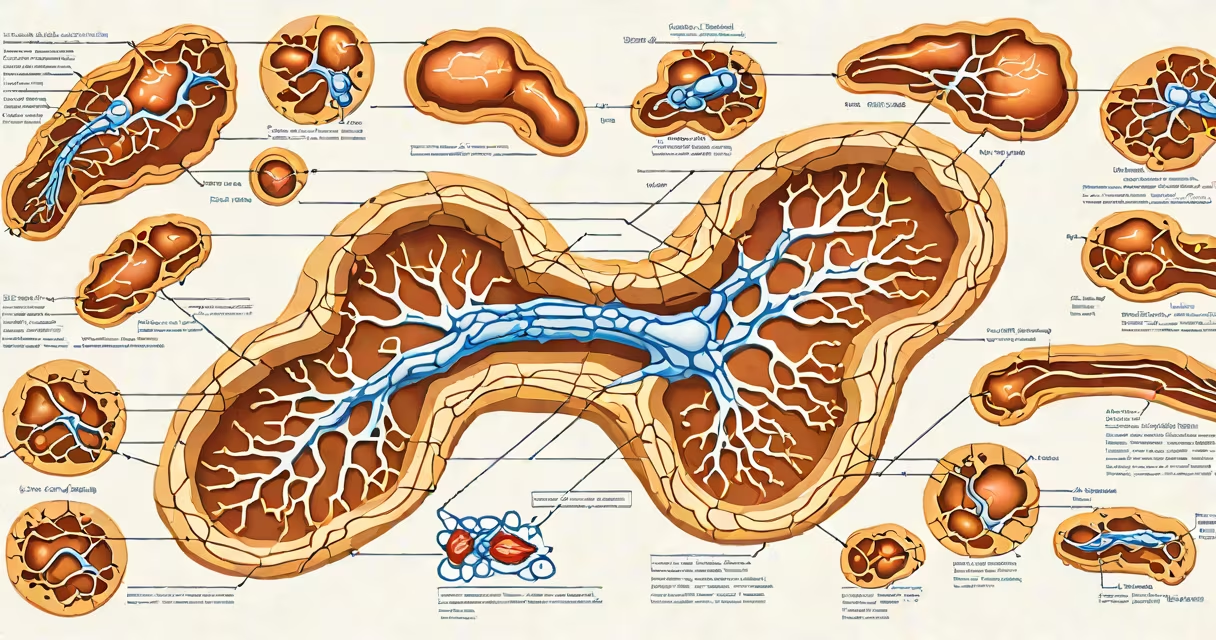
Adrenal gland failure happens when the adrenal glands underproduce critical hormones, primarily cortisol and aldosterone. This condition disrupts metabolism, immune response, and blood pressure regulation.
The adrenal glands sit atop the kidneys and produce hormones that regulate stress response, metabolism, and electrolyte balance. Failure occurs when these glands can't meet the body's hormone demands, either due to damage or impaired signaling from the pituitary gland.
Cortisol manages stress and metabolism, while aldosterone controls sodium and potassium levels. Without sufficient aldosterone, the body loses sodium and retains potassium, leading to low blood pressure and dehydration. Cortisol deficiency causes fatigue, weight loss, and increased susceptibility to infections.
| Type | Cause | Key Symptoms |
|---|---|---|
| Primary Adrenal Insufficiency (Addison's Disease) | Damage to the adrenal glands (autoimmune attack, infection, bleeding) | Fatigue, weight loss, darkening skin, low blood pressure, salt cravings |
| Secondary Adrenal Insufficiency | Inadequate pituitary signaling (tumor, sudden steroid withdrawal) | Similar to primary but without skin darkening or electrolyte imbalances |
| Tertiary Adrenal Insufficiency | Long-term steroid use suppressing adrenal function | Same as secondary, often diagnosed during stress or illness |
Another mistake is assuming adrenal failure always presents dramatically. Some cases develop gradually, with vague symptoms like fatigue or digestive issues, delaying diagnosis.
Doctors diagnose adrenal failure through blood tests measuring cortisol and ACTH levels. The ACTH stimulation test checks adrenal response to synthetic ACTH. Imaging may identify adrenal damage or pituitary tumors.
Treatment involves hormone replacement therapy. For primary failure, patients take hydrocortisone (cortisol) and fludrocortisone (aldosterone). Secondary failure requires only cortisol replacement. Stress dosing may be needed during illness or surgery.
I once treated a patient with Addison's disease who initially presented with severe gastrointestinal symptoms. Recognizing the subtle signs-fatigue, unintentional weight loss, and hyperpigmentation-led to timely diagnosis and lifesaving treatment.
With proper treatment, most people with adrenal gland failure live normal lives. Regular monitoring ensures correct hormone levels. Carrying an emergency injection of hydrocortisone helps manage sudden adrenal crises.
Patients should wear medical alert bracelets and educate family/friends about symptoms. Annual check-ups with an endocrinologist ensure ongoing care.