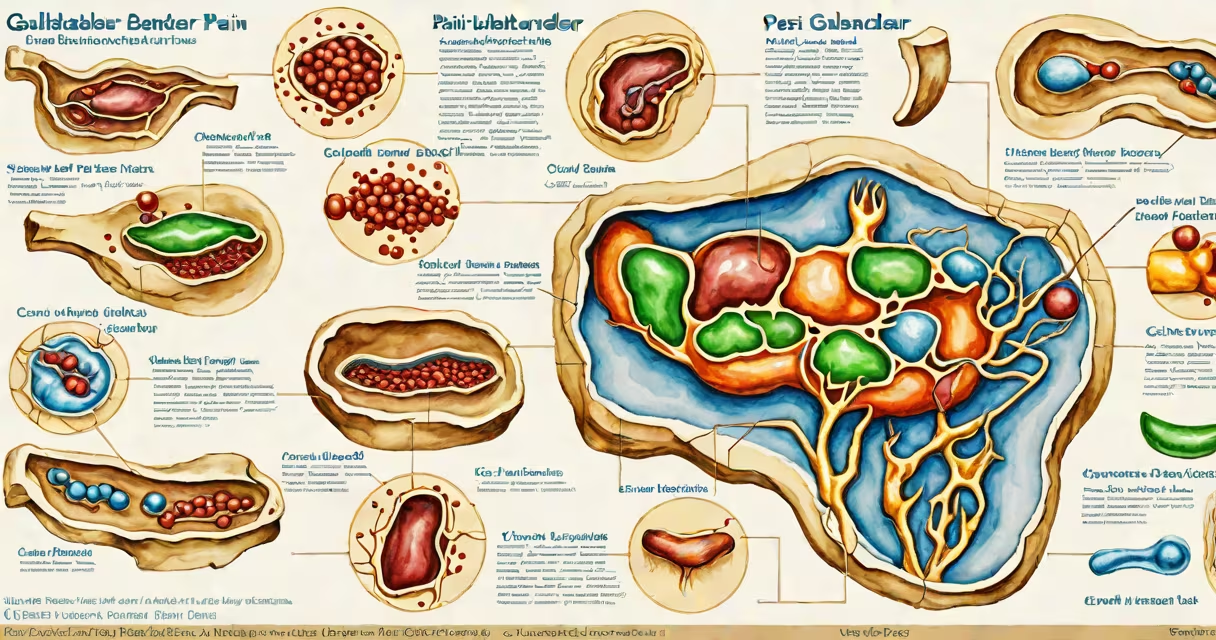
After gallbladder surgery, some patients continue experiencing pain due to residual bile, bile duct issues, or digestive adjustments. This post-cholecystectomy pain typically occurs in the upper right abdomen but may radiate elsewhere.
The gallbladder stores bile produced by the liver. After removal, bile flows continuously into the small intestine. Your digestive system must adapt to this change, which can cause temporary discomfort. However, persistent pain may indicate complications.
Several factors contribute to ongoing pain:
Contact your doctor if pain persists beyond six weeks or is accompanied by:
These symptoms may indicate bile duct obstruction or infection requiring treatment.
For mild discomfort, try these approaches:
Most people adjust to life without a gallbladder within 6-8 weeks. Some may need to permanently modify their diets, avoiding greasy or fried foods that can trigger discomfort. In rare cases, additional procedures may be needed to address bile duct issues.
Persistent pain requires medical evaluation. Doctors may use ultrasound, CT scans, or MRCP (magnetic resonance cholangiopancreatography) to identify underlying issues. Treatment options range procedures or surgery.
Remember, while some discomfort is normal during recovery, severe or prolonged pain should never be ignored. Always consult your healthcare provider for personalized advice regarding your specific situation.