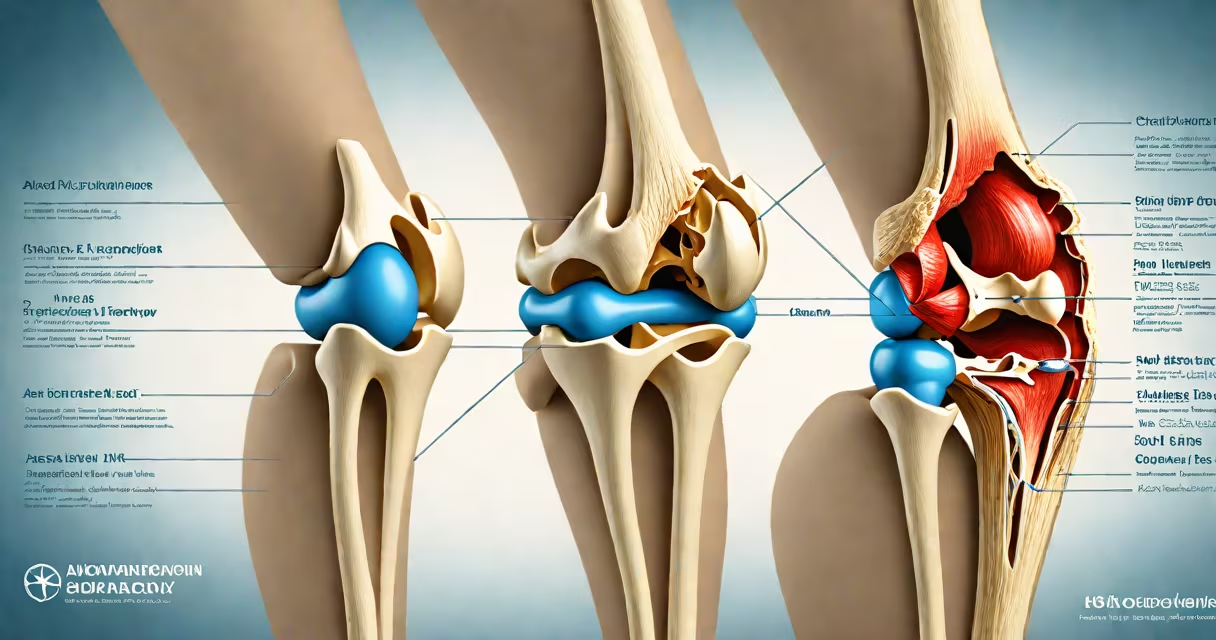
Pain behind the knee after ACL surgery typically results from inflammation, scar tissue formation, or improper healing of surrounding structures. This discomfort often occurs during the first few months of recovery as the body repairs the damaged tissues.
The anterior cruciate ligament (ACL) connects the femur to the tibia, stabilizing the knee joint. During ACL reconstruction, surgeons replace the torn ligament with a graft, usually from the patellar tendon, hamstring tendons, or quadriceps tendon. Posterior knee pain can arise from several sources:
According to the American Academy of Orthopaedic Surgeons, posterior knee pain is relatively common after ACL surgery but usually resolves within a few months as the knee heals and inflammation subsides.
While some discomfort is normal, severe or persistent pain behind the knee after ACL surgery may indicate complications. Consult a healthcare provider if you experience:
These symptoms could indicate issues like graft failure, nerve damage, or infection, which require immediate medical intervention.
Most cases of posterior knee pain after ACL surgery improve with conservative treatments. Common approaches include:
Many people confuse posterior knee pain after ACL surgery with other conditions, such as a pulling sensation behind the knee or discomfort from overuse. However, postoperative pain is distinct because it typically originates from the surgical site rather than muscle strains or tendonitis.
Some believe that intense pain is inevitable and must be endured. While discomfort is expected, severe or worsening pain should always be evaluated by a healthcare professional to rule out complications.
During my recovery from ACL surgery, I noticed mild discomfort behind my knee, particularly when bending or extending the joint. My physical therapist explained that this was normal and part of the healing process. By following a structured rehabilitation plan and using ice therapy, the pain gradually decreased over the following weeks.
Pain behind the knee after ACL surgery is a common part of the recovery process, usually caused by inflammation, scar tissue, or graft placement. While mild discomfort is expected, severe or persistent pain may indicate complications and should be evaluated by a healthcare provider. With proper management and rehabilitation, most patients experience significant improvement within a few months.