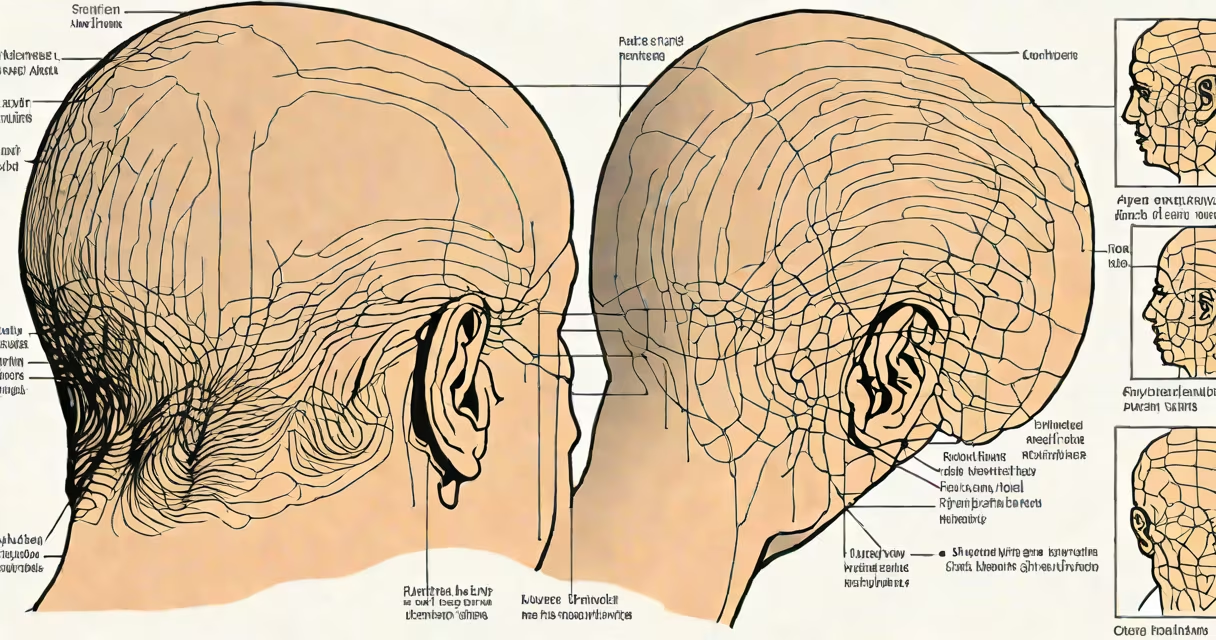
Age-related hair loss, or androgenetic alopecia, is gradual hair thinning caused by genetics and hormones. It affects both men and women, typically starting in middle age.
Hair follicles shrink over time due to sensitivity to dihydrotestosterone (DHT), a hormone derived from testosterone. This shortens the hair growth cycle, producing finer, shorter hairs until they stop growing entirely.
| Type | Pattern | Onset Age |
|---|---|---|
| Male Pattern Baldness | Receding hairline, thinning crown | 30s-50s |
| Female Pattern Hair Loss | Diffuse thinning over the top of the scalp | 50s-60s |
Men often develop a receding hairline and bald spot, while women experience thinning. The exact cause is unknown, but genetics play a key role. Other factors include stress, illness, and certain medications.
Contrary to popular belief, age-related hair loss isn't solely about shedding hair. Instead, follicles produce progressively weaker strands until growth stops. This differs from temporary hair loss due to illness or stress, which may regrow.
Many assume age-related hair loss is inevitable or only affects men. However, 40% of women experience visible thinning by age 50, according to the American Academy of Dermatology.
Another myth is that frequent hair washing causes hair loss. Washing doesn't affect the hair follicle, though rough handling can damage strands.
Topical minoxidil (Rogaine) is FDA-approved for both men and women. It works by stimulating blood flow to hair follicles. Oral finasteride (Propecia) blocks DHT production in men. Other options include low-level laser therapy and platelet-rich plasma (PRP) injections.
I've seen clients try natural remedies like saw palmetto and pumpkin seed oil, but results vary. A dermatologist can recommend the best approach based on individual needs.
A balanced diet rich in iron, zinc, and protein supports hair health. Regular exercise improves circulation, which may benefit follicles. Managing stress through meditation or yoga can also help.
While age-related hair loss is common, early intervention can preserve hair for longer. Consulting a dermatologist at the first signs of thinning offers the best chance of slowing progression.