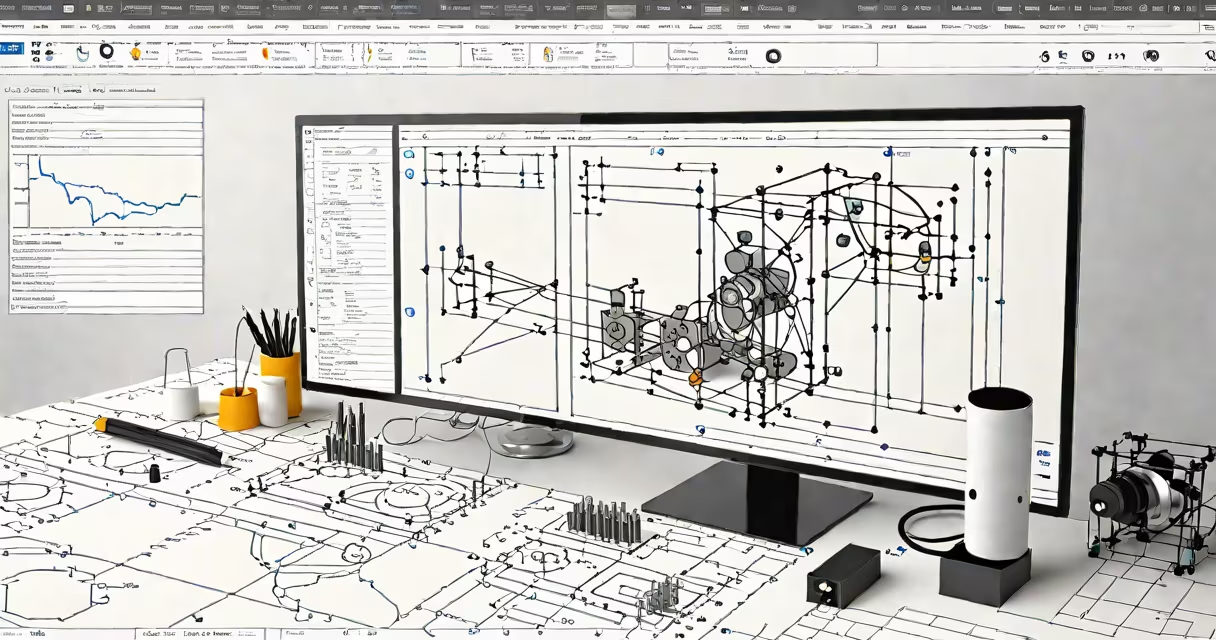
AI modeling software uses algorithms to analyze data and build predictive models, enabling businesses to forecast trends and automate decisions. These tools process vast datasets to identify patterns, simulate scenarios, and improve outcomes.
AI modeling software relies on machine learning algorithms to process structured and unstructured data. It trains models using historical data, then applies those models to new data to make predictions. For example, a retail company might use AI modeling software to forecast demand for products based on past sales data, weather patterns, and economic indicators.
| Type | Use Case | Example |
|---|---|---|
| Predictive Analytics | Forecasting future events | Sales forecasting, customer churn prediction |
| Classification Models | Categorizing data into predefined groups | Spam detection, fraud identification |
| Clustering Models | Grouping similar data points | Customer segmentation, market research |
| Regression Models | Predicting continuous outcomes | Price optimization, risk assessment |
Many people confuse AI modeling software with basic spreadsheet tools or traditional statistical software. Unlike these, AI modeling software automates complex analyses and adapts to new data without manual intervention. Another misconception is that it replaces human decision-making entirely. In reality, it augments human intelligence by providing data-driven insights that inform better decisions.
I once helped a small e-commerce business implement AI modeling software to improve inventory levels. By analyzing past sales data and external factors like holidays and promotions, the software reduced overstock situations by 30% and improved order fulfillment rates. The key was ensuring the data was accurate and the model was regularly updated to adapt to changing market conditions.