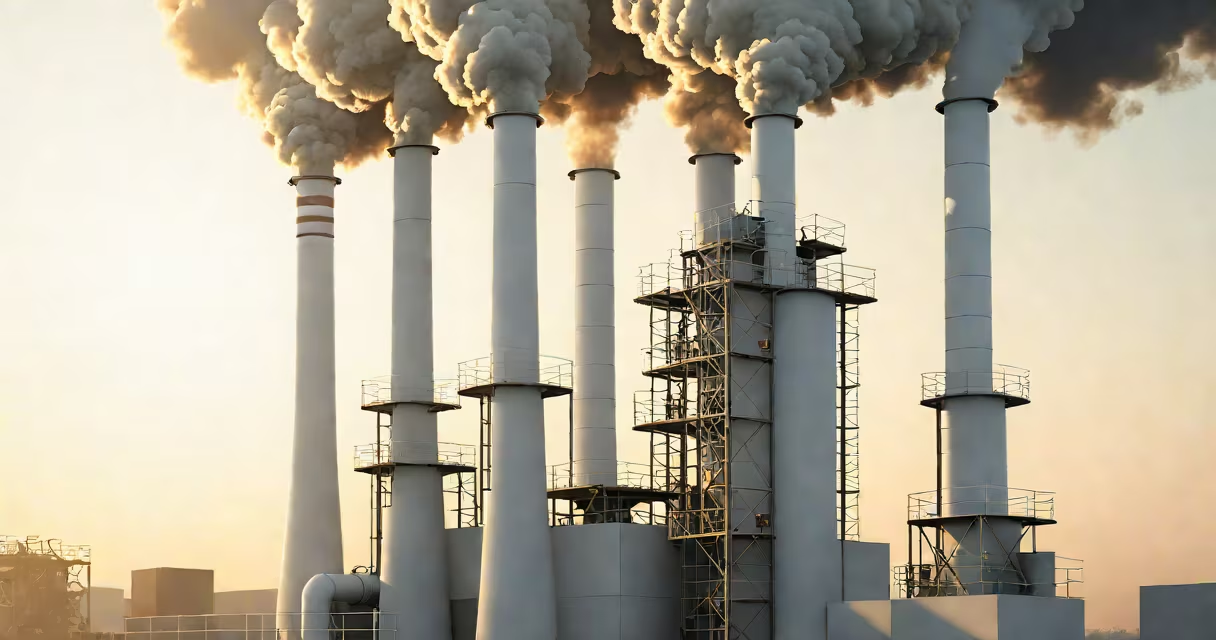
Air pollution control refers to the technologies and strategies used to reduce or eliminate harmful pollutants emitted into the atmosphere. These systems capture, treat, or convert pollutants from industrial processes before they enter the air.
Control systems intercept pollutants at their source, typically within industrial facilities. Common methods include mechanical filters, chemical treatments, and thermal processes. For example, a baghouse filter captures particulate matter from exhaust streams, while a scrubber uses water or chemicals to remove acid gases.
The most common types of air pollution control technologies include:
Each technology targets specific pollutants based on the industry and regulatory requirements. For instance, power plants often use scrubbers to control sulfur dioxide emissions, while chemical plants may rely on adsorbents for VOC management.
Another misconception is that these systems are only for large industries. Small businesses, such as dry cleaners and auto repair shops, also use control technologies to manage VOCs and other pollutants.
Coal-fired power plants use scrubbers to remove sulfur dioxide (SO₂) from exhaust gases. These systems spray a limestone slurry into the flue gas, where the SO₂ reacts with the limestone to form a harmless byproduct. According to the EPA, scrubbers can remove up to 98% of SO₂ emissions, reducing acid rain and respiratory illnesses.
Effective air pollution control protects ecosystems and human health. The EPA reports that since the implementation of the Clean Air Act, ambient levels of six common pollutants have dropped by 78% between 1970 and 2021, preventing thousands of premature deaths annually. For example, controlling particulate matter reduces lung diseases and heart conditions, while managing nitrogen oxides decreases smog formation.
Air pollution control is essential for reducing industrial emissions and protecting air quality. By implementing technologies like scrubbers, filters, and thermal oxidizers, industries can minimize their environmental impact and comply with regulations. These efforts contribute to cleaner air, healthier communities, and a more sustainable future.