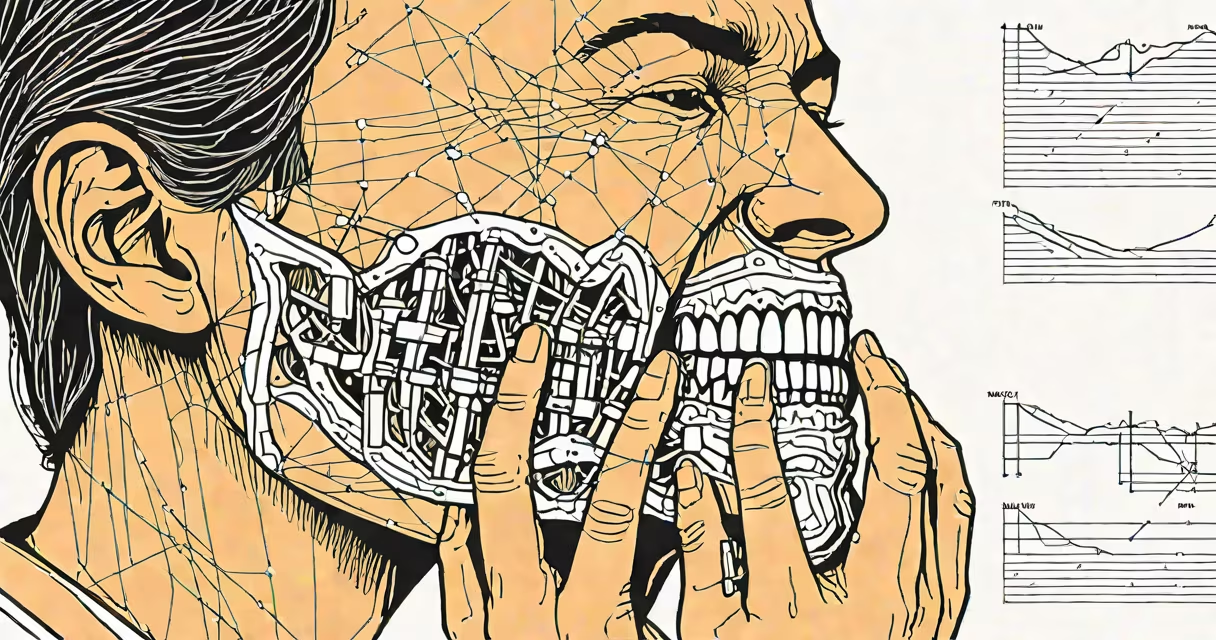
When multiple teeth on one side of your mouth hurt simultaneously, it typically indicates an issue in the jaw, nerves, or nearby structures rather than individual teeth. This type of pain often stems from inflammation, infection, or trauma affecting a larger area.
The trigeminal nerve, which controls sensation in the face, splits into three branches. Pain on one side often traces to irritation or compression in one of these branches. For example, sinus infections can refer pain to the upper teeth, while temporomandibular joint (TMJ) disorder may cause aching along one side of the jaw.
Common triggers include:
Persistent pain lasting over two days, swelling, fever, or pus requires immediate attention. Delaying treatment for conditions like abscesses can lead to severe complications, including sepsis. If pain worsens at night or disrupts sleep, schedule an appointment promptly.
Many people assume one-sided tooth pain always signals a cavity. However, issues like impacted wisdom teeth or gum disease can also cause widespread discomfort. A dentist can diagnose the root cause through exams and X-rays.
For temporary relief, rinse with warm salt water or apply a cold compress. Over-the-counter pain relievers like ibuprofen can reduce inflammation. Avoid extremely hot or cold foods, which may exacerbate sensitivity.