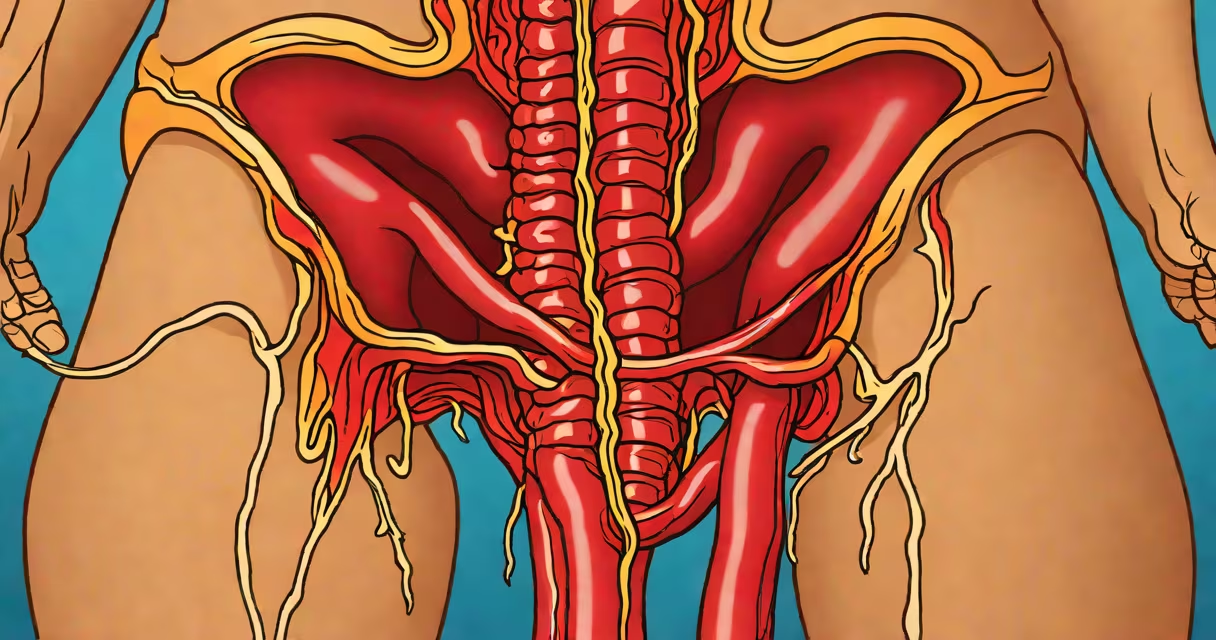
Anal bleeding and burning refer to discomfort or pain in the anal area accompanied by visible blood. These symptoms can result from minor conditions like hemorrhoids or indicate more serious issues such as infections or inflammatory bowel disease.
The anus and rectum are sensitive areas with many nerve endings. Irritation, inflammation, or injury can cause burning sensations. Bleeding occurs when blood vessels in the anal canal are damaged. Common triggers include straining during bowel movements, anal fissures, or hemorrhoids.
Anal bleeding and burning can stem from various sources. The most common causes include:
While minor cases of anal bleeding and burning may resolve on their own, persistent or severe symptoms warrant medical attention. Seek immediate care if you experience heavy bleeding, dizziness, or signs of infection. Chronic symptoms could indicate underlying conditions requiring treatment.
Many people assume anal bleeding and burning are always caused by hemorrhoids. However, other conditions like anal fissures, infections, or inflammatory bowel disease can also be responsible. Another misconception is that these symptoms are always harmless. While minor cases may resolve without treatment, persistent or severe symptoms should be evaluated by a healthcare professional.
For example, a person might notice bright red blood on toilet paper after a bowel movement and assume it's due to hemorrhoids. However, if the bleeding is accompanied by severe pain or other symptoms like fever or weight loss, it could indicate a more serious condition such as an anal fissure or inflammatory bowel disease.
According to the American Society of Colon and Rectal Surgeons, anal bleeding should never be ignored, as it could be a sign of a more serious condition. If symptoms persist for more than a week, it's important to consult a healthcare provider for proper diagnosis and treatment.
To prevent anal bleeding and burning, maintain good hygiene, eat a high-fiber diet, and stay hydrated. Avoid straining during bowel movements and use over-the-counter treatments like hemorrhoid creams for minor issues. For persistent symptoms, consult a healthcare provider for appropriate treatment options.
For instance, increasing fiber intake through foods like fruits, vegetables, and whole grains can help soften stools and reduce straining during bowel movements. Staying hydrated by drinking plenty of water can also help prevent constipation and reduce the risk of anal fissures.