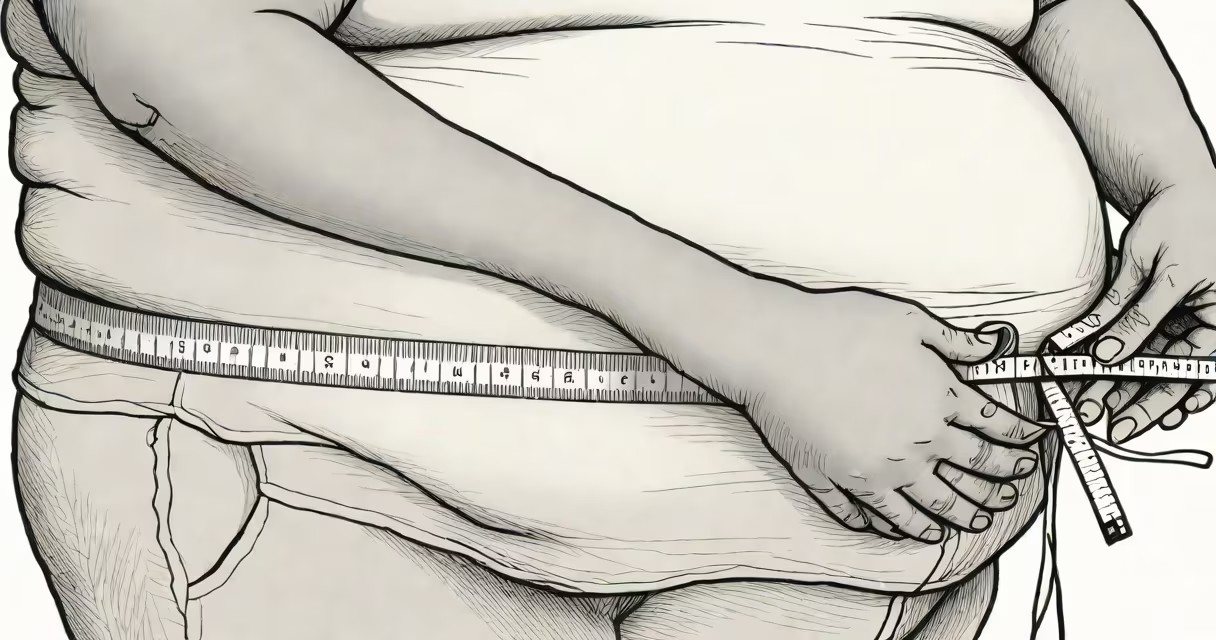
An obese person is someone with a body mass index (BMI) of 30 or higher, indicating excessive body fat that poses health risks. This classification, established by the Centers for Disease Control and Prevention (CDC), is based on height-to-weight ratios rather than absolute weight.
Doctors diagnose obesity using BMI, calculated by dividing weight in kilograms by height in meters squared. A BMI of 30 or above falls under the obese category, while 25-29.9 is overweight. However, BMI doesn't distinguish between fat and muscle, so other tests like waist circumference (men: ≥40 inches; women: ≥35 inches) or body fat percentage (≥25% for men, ≥35% for women) may supplement the diagnosis.
Obesity increases the risk of chronic conditions like type 2 diabetes, heart disease, and certain cancers. According to the World Health Organization (WHO), obesity is linked to over 4 million deaths annually. For example, a 2020 study in the journal Obesity found that obesity doubles the risk of severe COVID-19 outcomes.
| Type | Description | Examples |
|---|---|---|
| Class I | BMI 30-34.9 | Moderate health risks |
| Class II | BMI 35-39.9 | Severe health risks |
| Class III | BMI ≥40 | Extreme health risks |
Weight loss through diet, exercise, and behavioral changes is the primary treatment. For severe cases, medications like orlistat or bariatric surgery may be recommended. The CDC reports that even a 5-10% weight loss can improve health.
I once worked with a client who lost 30 pounds through a structured meal plan and daily walks, reducing their BMI. Their blood pressure and cholesterol levels normalized within six months.