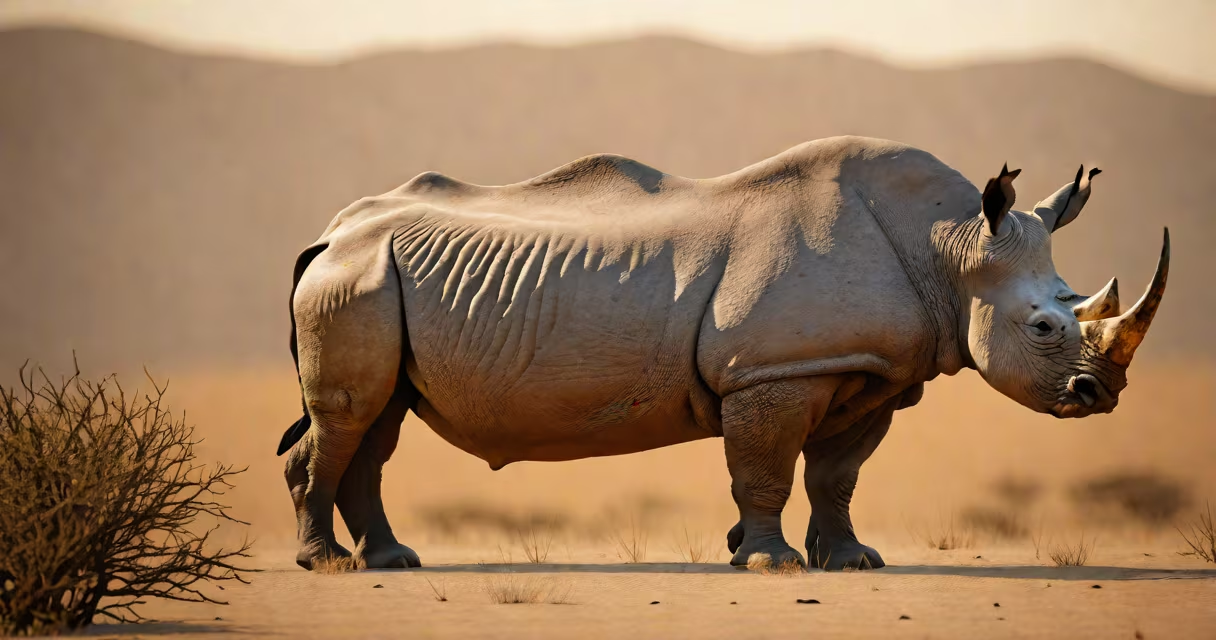
Animals that are going extinct face severe population declines due to habitat loss, climate change, and human activity. These species are at risk of disappearing forever unless conservation efforts intervene.
Extinction occurs when a species can no longer survive in its natural environment. This happens gradually over time as populations decline due to various threats. For example, the western black rhinoceros was declared extinct in 2011 after decades of poaching and habitat loss.
The primary causes of extinction include:
Many species are currently at risk of extinction. Here are a few notable examples:
| Species | Population | Primary Threat |
|---|---|---|
| Amur Leopard | Less than 100 | Poaching, habitat loss |
| Javan Rhino | Around 60 | Poaching, small habitat range |
| Vaquita | Fewer than 20 | Bycatch in fishing nets |
Conservation efforts aim to protect endangered species and their habitats. These include:
For instance, the California condor was brought back from the brink of extinction through captive breeding programs and habitat protection.
Many people believe that extinction is a natural process that happens slowly over millions of years. However, the current rate of extinction is estimated to be 1,000 times higher than the natural rate due to human activities. This accelerated rate is known as the sixth mass extinction.
Another misconception is that only large, charismatic animals like tigers and elephants are at risk. In reality, smaller species such as insects and plants are also facing extinction, which can have cascading effects on entire ecosystems.