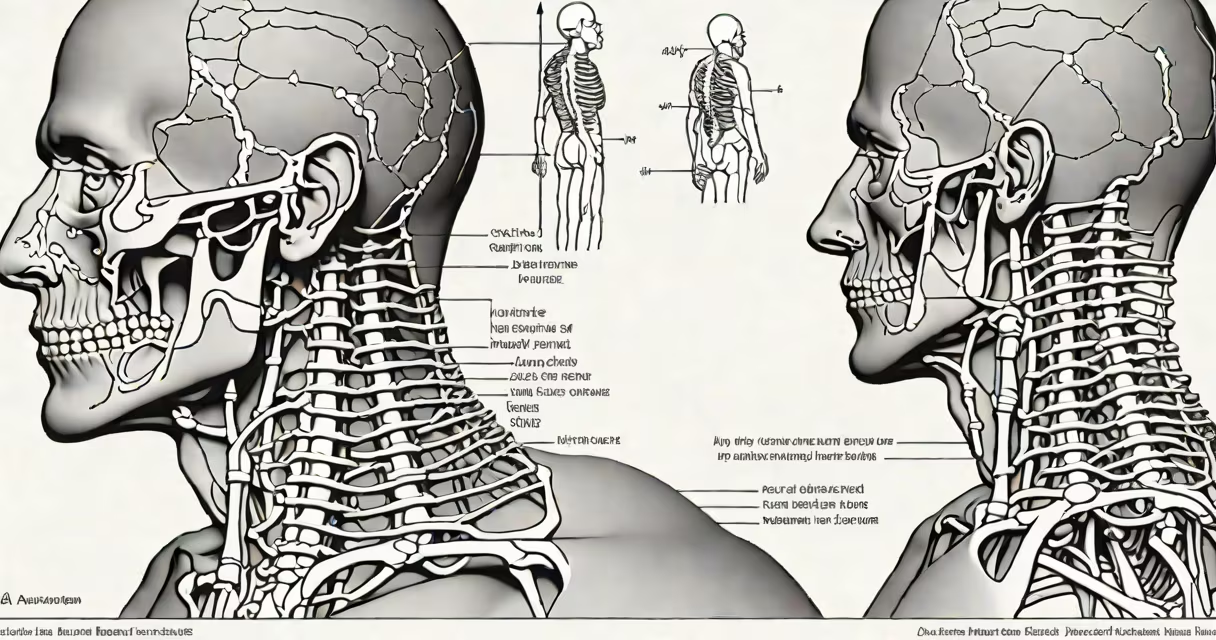
Ankylosing spondylitis neck hump is a spinal deformity where the neck bends permanently forward due to advanced ankylosing spondylitis (AS). This occurs when inflammation causes vertebrae to fuse in a curved position, creating a visible hump.
AS primarily affects the sacroiliac joints and spine. Chronic inflammation leads to bone fusion (ankylosis), often in a flexed position. The cervical spine (neck) is particularly vulnerable because it bears the head's weight. Over time, this fusion creates the characteristic forward-bending deformity.
The process begins with inflammation of the spinal joints (facet joints and costovertebral joints). As the disease progresses, the inflammation causes erosion and eventual fusion of the vertebrae. This fusion can occur in abnormal positions, leading to deformities like the neck hump.
| Type | Description | Common Location |
|---|---|---|
| Kyphosis | Forward bending of the spine | Thoracic and cervical spine |
| Swayback | Exaggerated inward curve of the lower back | Lumbar spine |
| Bamboo spine | Complete fusion of the spine, resembling a bamboo stalk | Entire spine |
The neck hump impacts quality of life. It can cause difficulty looking upward, breathing problems, and increased risk of falls. Severe cases may lead to respiratory complications due to restricted chest expansion.
According to the National Institute of Arthritis and Musculoskeletal and Skin Diseases, spinal deformities are among the most disabling aspects of AS. Early intervention can slow progression and reduce severity.
Treatment focuses on managing inflammation, maintaining flexibility, and preventing further deformity. Common approaches include:
Many people confuse the neck hump with general poor posture or aging-related curvature. However, the ankylosing spondylitis neck hump is a specific deformity caused by vertebral fusion due to chronic inflammation. Unlike posture issues, it cannot be corrected through exercise alone.
I once observed a patient with advanced AS who had difficulty reading a menu placed in front of him due to his severe neck hump. This highlighted the real-world impact of the condition beyond just appearance.
While there is no cure for AS, early diagnosis and treatment can slow disease progression. Regular exercise, maintaining good posture, and following a treatment plan can help prevent severe deformities.